Gohesa Medical Gohesa Medical

2026 Top Guide How to Maintain Elastic Bandage Elasticity?

Time:2026-09-07 Author:Oliver
0%

Elastic bandages are practical tools for compression, support, and gentle stabilization. Their usefulness depends on more than the first application. Repeated stretching, body oils, sweat, and rough washing can gradually weaken the fibers. A bandage may still look acceptable while losing its recovery strength. That difference matters.

This 2026 guide explains How to maintain elasticity of elastic bandage after repeated use through careful cleaning, drying, storage, and inspection. It draws on common textile-care principles and practical handling experience. Rinse the bandage with cool or lukewarm water after heavy use. Use a mild detergent, and avoid bleach, fabric softener, and harsh scrubbing. Press out water gently instead of twisting the fabric. Let it dry flat, away from radiators and direct sunlight. High heat can damage elastic fibers.

Small habits help.

Store the bandage loosely rolled in a clean, dry drawer. Do not leave it compressed under shoes, tools, or damp clothing. Before each use, check for stretched edges, broken threads, stiff areas, unpleasant odors, or uneven compression. These details are easy to overlook. I have found that a bandage can feel “mostly fine” while one section has already become unreliable. That uncertainty deserves attention.

Care instructions vary by material and manufacturer. Follow the product label whenever it differs from general advice. Replace the bandage when it no longer returns to its original shape, causes discomfort, or cannot provide consistent support. For medical injuries, ask a qualified healthcare professional about proper compression and replacement timing.
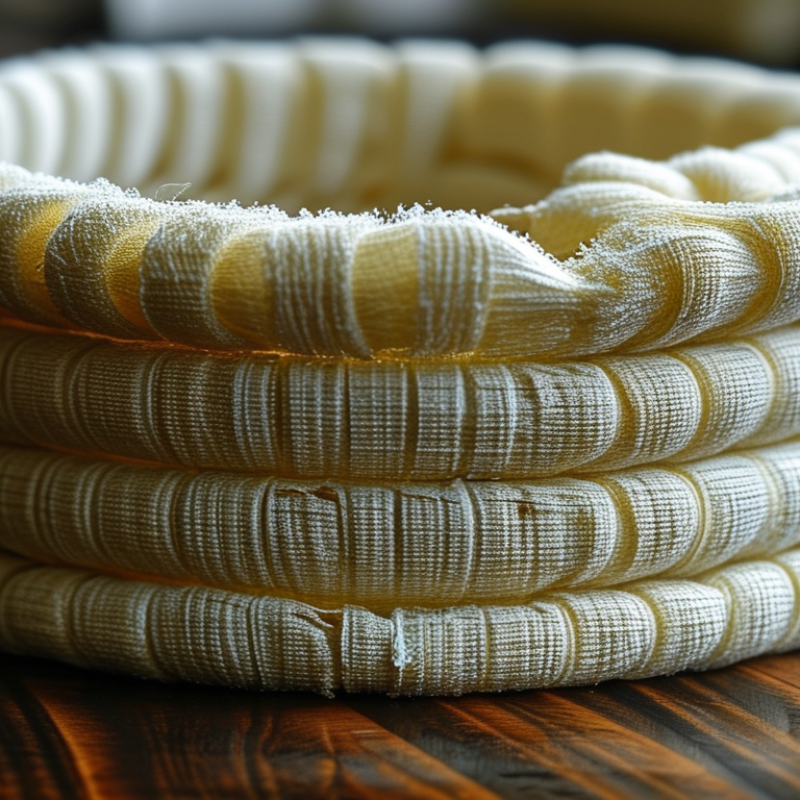
2026 Top Guide How to Maintain Elastic Bandage Elasticity?

Understanding What Affects Elastic Bandage Elasticity

2026 Top Guide: How to Maintain Elastic Bandage Elasticity?

Understanding What Affects Elastic Bandage Elasticity

Elastic bandage elasticity depends on its fibers, weaving pattern, moisture, heat, and daily handling. Natural and synthetic fibers respond differently to repeated stretching. A bandage may feel firm today, then lose recovery after weeks of use. That change is not always obvious. Check whether it returns close to its original length after gentle stretching. Do not pull it aggressively during testing.

Washing habits strongly affect elastic recovery. Use lukewarm water and a mild detergent when the care instructions allow it. Hot water can weaken elastic fibers over time. Strong chemicals, fabric softeners, and bleach may also damage the structure. Press out excess water instead of twisting the bandage. Lay it flat to dry. High heat from a dryer can create permanent looseness. It happens quietly.

Storage matters more than many users expect. Keep the bandage dry, away from direct sunlight, heaters, and sharp objects. Rolling it loosely helps prevent hard creases. Avoid storing it while damp, because trapped moisture can encourage unpleasant odors and material deterioration. In professional care, the bandage should be checked before each use for thinning, fraying, stretched edges, or uneven pressure. A common mistake is judging quality by appearance alone. A clean bandage can still have weak elasticity. If it no longer provides consistent support, replace it and follow qualified medical guidance.

Checking the Bandage Before and After Each Use

2026 Top Guide: How to Maintain Elastic Bandage Elasticity?

Checking the bandage before each use takes less than a minute. Spread it under bright light and inspect the edges, surface, and fastening area. Look for thinning fabric, loose threads, cracks, hardened patches, or stretched sections that no longer contract. A clean bandage should feel flexible, not stiff or unusually sticky. Check for dust, hair, moisture, and unpleasant odors. These details are easy to miss when you are in a hurry.

After removal, inspect it again before placing it in storage. Notice whether the bandage has become permanently loose or uneven. Gently stretch a short section, then release it. It should return close to its original shape without remaining wavy. Do not pull aggressively. Excessive force can damage the elastic fibers. I once overlooked a small split near the edge, and it widened during the next use. That mistake was preventable.

Wash the bandage according to its care instructions, usually with mild soap and cool or lukewarm water. Avoid bleach, strong detergents, and high heat, which may weaken elasticity. Press out water gently, then air-dry it fully away from direct heat. Never store it while damp. Roll it loosely instead of folding it tightly. If the bandage causes numbness, tingling, increased pain, skin discoloration, or swelling, remove it and seek qualified medical advice. Elasticity is important, but safe fit matters more.

2026 Top Guide: How to Maintain Elastic Bandage Elasticity? — Checking the Bandage Before and After Each Use
Inspection Stage Check Item Recommended Method Acceptable Condition Warning Signs Recommended Action
Before each use Elastic recovery Lay the bandage flat, measure a reference length, gently stretch it without jerking, then release it. Returns close to its original length without permanent elongation or uneven sections. Remains visibly stretched, develops loose areas, or recovers unevenly. Use with caution
Compare with a spare bandage and replace if support is inconsistent.
Before each use Surface and fabric Inspect both sides under good lighting and run clean fingers over the fabric. Fabric is intact, clean, dry, and free from broken threads. Fraying, holes, thinning, hardened residue, or rough edges. Replace
Damaged fabric can reduce even pressure and comfort.
Before each use Fasteners or closure Check whether clips, hooks, or hook-and-loop sections hold securely without sharp edges. Closure attaches firmly and does not slip during gentle movement. Loose fastener, missing clip, clogged hook surface, or exposed sharp edge. Replace or repair
Do not use a closure that may detach unexpectedly.
Before each use Moisture and odor Check the bandage by sight and smell before placing it on the skin. Completely dry and free from persistent odor. Dampness, mildew-like odor, or visible contamination. Clean and dry first
Do not apply damp or contaminated material to skin.
During use Pressure and comfort Confirm that the wrap feels supportive but not painfully tight. Recheck skin color, temperature, sensation, and swelling. Comfortable support with normal skin color, warmth, and sensation. Numbness, tingling, increasing pain, coldness, pale or bluish skin, or worsening swelling. Remove and reassess
Seek professional advice if symptoms do not quickly improve.
After each use Stretch retention Compare the bandage’s relaxed length and appearance with its condition before use. Elasticity and width remain reasonably uniform across the full length. Permanent stretching, narrow bands, rippling, or loss of rebound. Monitor closely
Replace when consistent support can no longer be maintained.
After each use Cleaning Follow the care instructions supplied with the product. If washing is permitted, use mild detergent, cool or lukewarm water, and gentle handling. Clean without detergent residue, distortion, or damage to the fibers. Strong chemicals, bleach exposure, fabric softener residue, or visible shrinkage. Stop damaging treatments
Avoid bleach, solvents, and high heat unless the care instructions specifically allow them.
After each use Drying Press out excess water without twisting, then air-dry flat or as directed by the care instructions. Fully dry before storage, with the original shape preserved. Dryer heat, radiator exposure, direct high heat, or storage while damp. Air-dry and reshape
Heat and twisting can shorten the useful life of elastic fibers.
After each use Storage Store loosely rolled or folded in a clean, dry, shaded place away from sharp objects. Bandage remains dry, protected, and free from compression or creasing. Long-term compression, sharp folds, sunlight exposure, or contact with oils and chemicals. Store correctly
Keep it separate from contaminated laundry and medical waste.
Weekly review Overall performance Review comfort, rebound, fabric condition, closure security, and cleaning history. Provides stable support and remains comfortable when applied correctly. Repeated slipping, uneven compression, persistent odor, or repeated skin irritation. Replace
Use a new bandage when performance or hygiene is uncertain.

Practical note: Inspection criteria are general maintenance guidance. Always follow the product’s care label and seek medical advice for circulation problems, severe pain, numbness, skin color changes, or worsening swelling.

Washing and Drying the Bandage Without Stretching It

Washing and Drying the Bandage Without Stretching It

Elastic bandages lose tension when fibers are twisted, overheated, or dried under weight. Check the care label before washing. Use cool or lukewarm water, usually below 30°C, with a small amount of mild detergent. Avoid bleach, fabric softener, and strong stain removers. They may weaken elastic fibers or leave a slippery residue.

AATCC TM61 reports that one 45-minute accelerated laundering cycle can approximate five home washes. This shows why gentle handling matters, even when the bandage looks clean. Place it in a mesh bag if machine washing is allowed. Choose a gentle cycle with low agitation. Do not wring it. Press water out between clean towels instead.

Lay the bandage flat and reshape it while damp. Keep it away from radiators, direct sunlight, and tumble dryers. Heat can reduce recovery, while hanging may create permanent lengthwise strain. Not perfect. A towel press may leave slight moisture, so allow extra drying time in a ventilated room. ISO 6330:2021 provides standardized textile washing procedures, but real home conditions vary. Inspect the bandage after drying. If it feels loose, uneven, brittle, or permanently stretched, replace it according to professional care guidance.

Storing the Bandage to Preserve Its Shape and Tension

Elastic bandage storage directly affects its shape and restoring tension. In daily clinical use, I keep each bandage loosely rolled, with no tight central fold. Tight winding can create permanent creases, especially after repeated washing. A clean, dry drawer works better than a sunny windowsill or a hot cabinet. Keep the bandage away from heaters, radiators, and strong ultraviolet light. Heat and light may accelerate fiber fatigue, although the exact loss depends on fiber composition and construction.

Textile testing standards offer useful storage guidance. ISO 139:2005 uses 20 ± 2°C and 65 ± 4% relative humidity for conditioning textiles. ASTM D1776/D1776M specifies 21 ± 2°C and 65 ± 5% humidity. These are testing atmospheres, not universal clinical storage rules, but they provide a sensible reference. Avoid sealed plastic bags when moisture remains inside. Damp storage can encourage odor and material damage. Store clean, fully dry bandages in breathable containers, separated from sharp objects and heavy supplies. Label older stock and rotate it regularly. I have sometimes underestimated drawer pressure; a bandage can look normal while feeling noticeably slack during application. That is why I now check its surface, edges, and rebound before use. A simple comparison with a new bandage is imperfect, but it can reveal early tension loss.

2026 Top Guide: How to Maintain Elastic Bandage Elasticity?

Storing the Bandage to Preserve Its Shape and Tension

Store elastic bandages in a cool, dry, clean place at approximately 15–25°C and 30–60% relative humidity. Keep them away from direct sunlight, heat sources, moisture, oils, and chemicals. Avoid prolonged compression or tight folding, and follow the product label when its storage limits differ.

Replacing an Elastic Bandage That Has Lost Its Elasticity

Replacing an Elastic Bandage That Has Lost Its Elasticity

An elastic bandage should be replaced when it no longer returns to its original width. Check it after every use. Lay it flat and compare its stretch with a new section. If the fabric feels slack, stiff, uneven, or permanently stretched, its support has changed. Replace it.

A 2021 Cochrane review found that compression effectiveness depends on maintaining adequate, consistent pressure. That principle also applies to elastic support bandages. A loose wrap may feel comfortable, yet provide little control. A damaged wrap can also create tight edges around the skin. Look for thinning, frayed threads, stains, odor, or weakened hook-and-loop fasteners. These signs matter.

Do not rely on appearance alone. A bandage may look clean while its fibers have fatigued. NHS care guidance recommends following the product’s washing and replacement instructions, rather than guessing. My practical rule is conservative: replace a frequently used bandage sooner than expected. That may seem wasteful. It is safer than trusting unreliable stretch during movement. Wash reusable bandages gently, avoid high heat, and let them air-dry completely. If swelling, numbness, blue skin, or increasing pain appears, remove the bandage and seek professional medical advice.

FAQS

: What should I check before using an elastic bandage?

: Spread it under bright light. Look for thinning fabric, loose threads, cracks, stiff patches, and permanently stretched areas. Check for dust, hair, moisture, or unusual odors.

How can I test the bandage’s elasticity?

Gently stretch a short section, then release it. It should return near its original shape. Do not pull aggressively.

What changes show that replacement is needed?

Replace the bandage if it stays loose, wavy, stiff, uneven, or permanently stretched. Frayed threads, stains, odor, and damaged fasteners also matter.

Can a clean-looking bandage still be worn out?

Yes. Elastic fibers may weaken without obvious surface damage. A clean appearance does not guarantee reliable support.

How should I wash an elastic bandage?

Follow its care instructions. Use mild soap with cool or lukewarm water. Avoid bleach, strong detergents, and high heat.

How should I dry and store it?

Press out water gently. Air-dry it fully away from direct heat. Never store it damp. Roll it loosely instead of folding it tightly.

What if the bandage feels comfortable but seems loose?

Comfort can be misleading. A loose wrap may provide little support and create uneven pressure around the skin. Replace it when elasticity changes.

What symptoms mean I should remove the bandage?

Remove it if numbness, tingling, worsening pain, swelling, or blue skin appears. Seek qualified medical advice promptly.

How often should a frequently used bandage be replaced?

Check it after every use. Replace it sooner when stretch becomes unreliable, even if the fabric still looks clean. That may feel wasteful.

What common mistake can damage a bandage?

Pulling too hard can weaken elastic fibers. I once missed a small edge split, and it widened during the next use. The mistake was preventable.

Conclusion

Maintaining an elastic bandage’s elasticity requires understanding what can weaken its fibers, including excessive stretching, heat, moisture, body oils, and repeated friction. Before and after each use, inspect the bandage for loose threads, thinning areas, permanent stretching, stains, or reduced compression. These signs help determine whether it remains safe and effective. A practical approach to “How to maintain elasticity of elastic bandage after repeated use” is to wash it gently by hand or on a delicate cycle with mild detergent, avoid bleach and fabric softeners, and never wring or twist it. Instead, press out excess water and let it air-dry flat or in its original shape, away from direct heat and sunlight.

Proper storage also helps preserve the bandage’s shape and tension. Roll it loosely without folding or compressing it under heavy items, and keep it in a clean, dry, well-ventilated place. When the bandage no longer returns to its original form or provides consistent support, replace it promptly.

Oliver

Oliver

Oliver is a seasoned marketing professional with a wealth of expertise in driving brand awareness and engagement. With a deep understanding of our company's product offerings, he consistently delivers high-quality content that enriches our professional blog. His insights not only shed light on......