Gohesa Medical
Athletes often make equipment choices through repeated training, not advertising alone. In locker rooms and treatment areas, cohesive bandage is valued for its quick application, light support, and simple removal. It wraps around itself without adhesive sticking directly to the skin. That matters when sweat, body hair, or frequent retaping becomes a problem.
So, why do athletes prefer cohesive bandage over traditional tape? The answer usually involves comfort, flexibility, and control during movement. A runner may secure a loose sock before a long session. A volleyball player may protect a finger between intense rallies. A physiotherapist may use it to hold padding, dressings, or a temporary support layer in place. These practical details explain why many athletes keep several rolls in their bags.
The seven reasons explored in this guide include ease of use, breathable compression, residue-free removal, adjustable tension, and convenient sizing. Other benefits involve water resistance and reduced preparation time. However, cohesive bandage is not a complete solution for every injury. Too much tension can restrict circulation, and poor application may hide worsening pain. It should support sound sports-medicine practice, not replace assessment by a qualified professional. Evidence and personal experience may not always point to the same choice. That is worth remembering. A careful athlete checks skin color, sensation, swelling, and comfort during use. These habits make the product more reliable and help explain its continued popularity across training and competition settings.
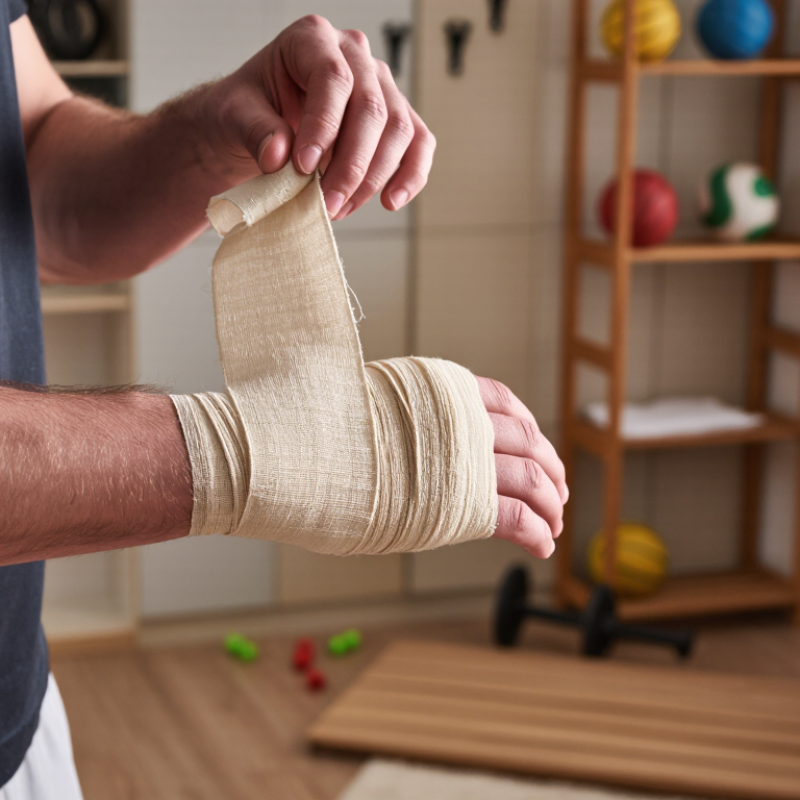
Cohesive bandage is an elastic wrap that sticks to itself, not to skin or hair. Its slightly textured layers grip when pressed together. This design creates gentle, adjustable compression around a wrist, ankle, finger, or joint. It can hold a dressing, support light muscle strain, and keep a cold pack in place during training.
The wrap works through controlled tension. Stretching it slightly gives support, while overlapping each layer helps prevent slipping. Athletes often appreciate its quick application and clean removal. No clips are needed. However, more pressure does not always mean better support. A tight wrap may reduce circulation and cause numbness, tingling, pale skin, or increased pain. Remove it immediately if these signs appear. It should not replace professional assessment after a serious injury.
Tips: Start below the injured area and overlap each layer by about half its width. Keep the pressure even, especially near joints. Check the fingers or toes after several minutes. They should remain warm and normally colored. Avoid covering an untreated open wound directly. A clean dressing should separate the wound from the wrap. Practice matters, although I still find uneven tension easy to create when moving quickly. Fresh judgment is important: swelling, deformity, or persistent pain needs medical advice.
Cohesive bandages support athletic injuries by providing gentle, adjustable compression. Unlike adhesive tape, they cling to themselves without pulling body hair. This makes them useful for ankles, wrists, knees, and fingers during training or competition. A sprained ankle may feel more stable when the wrap supports the surrounding area. Small detail. The skin should remain clean and dry before application.
During training, a cohesive bandage can hold a sterile dressing over a minor wound. It can also secure cold-pack covers or protect a lightly strained joint from unnecessary movement. Compression may help control early swelling, but it must never cause numbness, tingling, pale skin, or increased pain. Too much tension creates problems. Fingers and toes should stay warm and responsive. A qualified trainer or healthcare professional should assess serious pain, deformity, or suspected fractures.
Practical experience shows that athletes often wrap injuries too tightly when they want quick support. That instinct is understandable, but not always helpful. A bandage can feel reassuring while hiding worsening symptoms. It is support, not a cure. Recheck the area after several minutes, especially during long practices. If swelling increases, loosen the wrap and seek medical advice. The best result comes from combining careful application, rest, and honest attention to the injury.
Athletes often prefer cohesive bandages because they secure themselves without sticking directly to skin or hair. During training, I have used them for light support around wrists, fingers, and ankles. The material grips layer by layer, creating a firm hold that moves with the body. It stays put. That matters during repeated motion.
Their flexible fit also helps athletes maintain comfort while running, lifting, or changing direction. A properly applied wrap can provide gentle compression and help keep a dressing in place. It should feel supportive, never numb, cold, or painfully tight. A useful check is sliding one fingertip beneath the wrap after application. This simple step reduces the chance of restricted circulation. Medical professionals commonly recommend checking skin color, warmth, and sensation regularly.
Cohesive bandages are also easy to adjust between events. They can be torn by hand and applied quickly, even when time is limited. However, they are not a substitute for diagnosis or proper injury care. I once focused too much on a neat wrap and ignored increasing discomfort. That was a mistake. The bandage should support safe movement, not hide serious pain. Athletes should remove it if swelling, tingling, discoloration, or worsening pain appears, and seek qualified medical advice when symptoms continue.
Why athletes prefer a secure, flexible fit
This evidence-informed functional index rates each benefit from 1 to 5 based on the typical design characteristics of cohesive bandages. They adhere to themselves rather than skin, conform to movement, and can usually be applied without clips or fasteners. The scores are not company or brand survey results.
7 Best Reasons Athletes Prefer Cohesive Bandage
During training, cohesive bandage offers steady support without adhesive sticking to skin or hair. It wraps around a wrist, ankle, or finger and grips itself. This makes quick adjustments practical between drills. The material also feels lightweight under gloves or protective equipment. Athletes can control tension more easily than with rigid tape. Still, tighter is not always better. Excessive pressure may cause tingling, numbness, swelling, or pale skin.
In competition, speed matters. A cohesive wrap can cover a small dressing, secure padding, or stabilize a vulnerable joint within minutes. It usually stays in place during repeated movement, sweat, and contact. That reliability can reduce distraction when focus is essential. However, it should not hide a serious injury or replace professional assessment. Coaches and medical staff should check circulation and movement before play continues. A fresh wrap may feel secure, but function matters more.
Recovery brings different benefits. Gentle compression may help hold cold packs or light padding in position, while the soft surface protects sensitive skin. Many athletes prefer removing and reapplying it without pulling painful tape from hair. Use clean, dry skin and inspect the area regularly. Avoid wrapping over an unexplained wound without medical advice. I have noticed one common mistake: athletes keep using a familiar wrap after symptoms change. That habit deserves reconsideration. A qualified sports clinician can recommend suitable tension, duration, and support for the injury.
| Reason | Athlete Need | Key Benefit | Best Application | Practical Performance | Important Consideration |
|---|---|---|---|---|---|
| 1. Self-Adhering Design | Secure wrapping without adhesive tape, clips, or pins | Attaches to itself while remaining removable from skin and hair when used correctly | Training support, warm-up preparation, and quick sideline adjustments | Fast application | Wrap with even tension and avoid excessive tightness. |
| 2. Lightweight Support | Support without adding substantial bulk to the hand, wrist, ankle, or foot | Helps hold padding or dressings in place while preserving normal movement more easily than bulky rigid materials | Practice sessions, conditioning, and competition-day preparation | Low-profile feel | It is a covering and securing material, not a substitute for medical evaluation or a rigid brace. |
| 3. Flexible Compression | Controlled coverage that can conform to moving body contours | Elastic construction allows the wrap to follow movement and provide light compression when applied properly | Soft-tissue support, dressing retention, and post-activity comfort | Adjustable tension | Check circulation, color, temperature, sensation, and comfort regularly. |
| 4. Sweat- and Moisture-Aware Use | Maintaining dressing or padding placement during active sessions | Many cohesive bandages are designed to remain cohesive in ordinary exercise conditions, although performance varies by construction and exposure | Indoor training, field sports, court sports, and gym workouts | Stable positioning | Replace the wrap if it becomes wet, soiled, loose, or loses its cohesive grip. |
| 5. Skin-Friendly Removal | Reducing the discomfort associated with removing adhesive tape | Does not normally bond directly to skin, which can help limit adhesive-related residue and pulling | Frequent training, sensitive-skin routines, and repeated dressing changes | Gentle release | Skin sensitivity can still occur from pressure, friction, moisture, or the material itself. |
| 6. Convenient Portability | Carrying first-aid and support supplies with minimal equipment volume | Compact rolls are easy to store in an athletic bag, medical kit, travel case, or locker | Travel competitions, tournaments, outdoor activities, and emergency kits | Easy to pack | Keep rolls clean and dry, and follow the product’s storage and reuse guidance. |
| 7. Useful During Recovery | Keeping a non-adhesive dressing or light protective padding in position | Can help secure wound coverings or padding during recovery, reducing the need for frequent readjustment | Post-training care, minor dressing retention, and return-to-activity routines | Versatile coverage | Do not wrap over an unexplained injury, severe swelling, numbness, or suspected fracture without professional guidance. |
Athletes often prefer cohesive bandages because they provide light support without clips, pins, or adhesive strips. They wrap around joints, fingers, and ankles, then attach to themselves. This helps maintain a clean, secure fit during training. The material also allows quick adjustments between drills or competitions.
Safe application begins with the injury, not the bandage. Check for severe pain, deformity, heavy bleeding, numbness, or suspected fracture. These signs require professional medical assessment. For minor strains or support, choose a width that covers the area without restricting movement. A narrower wrap suits fingers, while a wider one fits an ankle or knee.
Keep the skin clean and dry. Never place the bandage directly over an open wound. Start below the affected area and overlap each layer by about half its width. Use gentle, even tension. It should feel supportive, never tight. My common mistake was wrapping too firmly after swelling appeared. I now check circulation every few minutes. The skin should remain warm and normally colored. Loosen the wrap if tingling, throbbing, increased pain, or unusual coldness develops. Remove it during sleep unless a healthcare professional advises otherwise. Do not reuse a visibly dirty or damaged bandage. A secure wrap helps, but it cannot replace diagnosis or proper rehabilitation.
It is an elastic wrap that sticks to itself, not skin or hair. Its textured layers grip when pressed together.
Gentle tension creates adjustable compression around wrists, ankles, fingers, or joints. Overlapping layers help prevent slipping.
Start below the injured area. Overlap each layer by about half its width. Keep the pressure even near joints.
Yes. It can secure a clean dressing over a minor wound. It can also hold a covered cold pack during training.
It should feel supportive, not painful. More pressure is not always better. Pressure matters.
Remove it immediately if numbness, tingling, pale skin, increased pain, or unusual coldness appears. Fingers and toes should stay warm.
No. Cover the wound with a clean dressing first. The bandage should not touch an untreated open wound directly.
No. It provides support, not a cure. Swelling, deformity, severe pain, or suspected fractures need professional medical advice.
Swelling can increase after application. Recheck the area after several minutes and loosen the wrap if needed.
Not always. Uneven tension is easy to create when moving quickly. Practice helps, but careful judgment still matters.
Cohesive bandage is a self-adhering wrap that sticks to itself rather than directly to the skin, making it easy to secure without clips or adhesive strips. It can provide gentle compression, support injured muscles and joints, and help hold dressings or padding in place. Why do athletes prefer cohesive bandage over traditional tape? Its secure yet flexible fit allows natural movement while reducing the risk of slipping, uncomfortable tightening, or skin irritation during training and competition.
This type of bandage is useful for supporting sprains, strains, minor swelling, and recovery needs. It is lightweight, breathable, easy to tear, and simple to adjust, making it practical for fast-paced athletic environments. Athletes should choose an appropriate width and level of stretch, wrap evenly without excessive pressure, and check the skin and circulation regularly. Used safely and correctly, cohesive bandage can offer reliable support while helping athletes remain comfortable and focused on performance.
