Gohesa Medical
Applying sports tape correctly is crucial for athletes. Skin irritation can occur if not done right. Dr. Emily Jackson, a sports medicine expert, emphasizes, "Proper technique is key to preventing discomfort and ensuring optimal support."
When you think about sports tape, think beyond support. It's about skin health too. Athletes often face irritation from tape if applied improperly. It can lead to rashes, redness, and even pain. Paying attention to how to apply sports tape correctly to avoid skin irritation can make a huge difference.
Choosing the right tape is essential. Some tapes are hypoallergenic. Others may have more adhesive strength. It’s important to know your skin type. Preparing the skin before application is vital. Keep it clean and dry. Small steps can prevent costly mistakes. Remember, while sports tape supports, it shouldn’t harm.
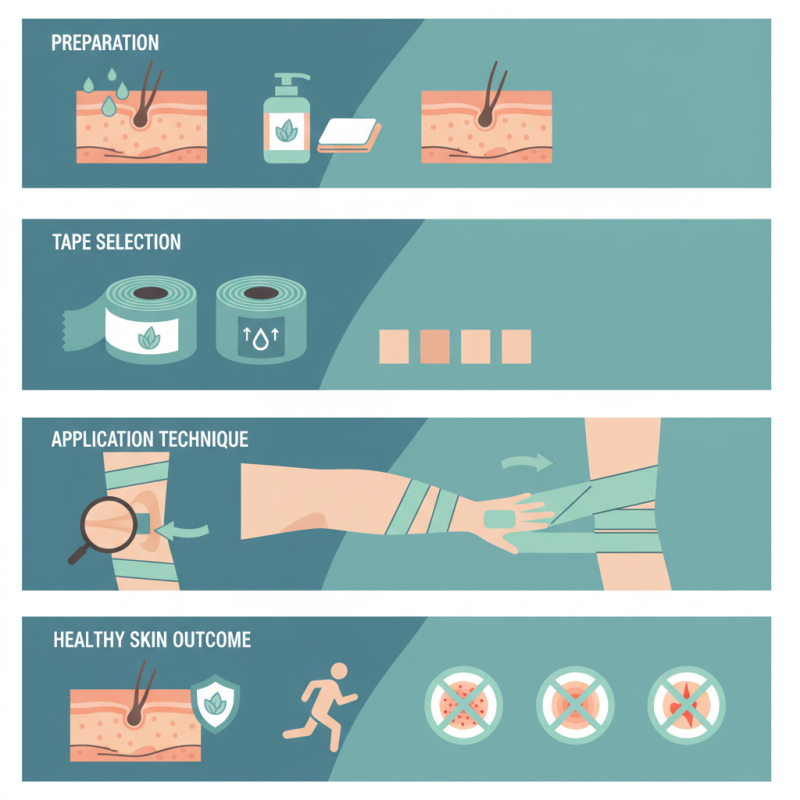
Sports tape is a common tool used by athletes to support muscles and joints. However, skin sensitivities can lead to irritation, making its application tricky. Understanding your skin type is essential before using sports tape. Some individuals may have delicate skin that reacts negatively to adhesive materials. Factors such as humidity and individual allergies can also contribute to skin reactions.
To minimize skin irritation, it’s important to prepare the area where the tape will be applied. Clean the skin thoroughly and let it dry completely. This helps the tape adhere better and reduces friction. If you have sensitive skin, consider using a barrier cream or a special underwrap before applying the tape.
When applying sports tape, avoid stretching it excessively. Proper tension is crucial. Overstretching can lead to skin irritation and discomfort. Pay attention to how your skin reacts during and after application. If you notice redness or itching, it may be time to reevaluate your technique or the products you are using. Listening to your body is key to a successful taping experience.
Choosing the right type of sports tape for sensitive skin can be challenging. Many tapes contain harsh adhesives that may irritate sensitive skin or cause rashes. When selecting a sports tape, look for those labeled hypoallergenic. These products are designed specifically for delicate skin. They have gentler adhesives that minimize irritation, making them suitable for long-term use.
Another aspect to consider is the material of the tape. Cotton-based tapes are often softer and more breathable than synthetic options. This can make a significant difference in comfort, especially during rigorous activities. Additionally, consider how the tape feels against your skin. A rough texture can lead to discomfort and irritation. Always test a small piece on your skin before applying it widely.
Taking time to choose the right tape is vital. Some may disregard the importance of this choice, leading to painful reactions. Reflecting on past experiences can enhance future decisions. Pay attention to how each tape affects your skin. The right choice can significantly improve your sporting experience and reduce the risk of irritation.
Preparing the skin properly before applying sports tape is essential for preventing irritation. Start with clean, dry skin. Use a gentle soap to wash the area, ensuring that no residues remain. Pat it dry with a soft towel. This reduces the chance of infection and allows the tape to adhere better.
Consider using a skin barrier spray or lotion. This can create a protective layer. Allow it to dry completely before applying tape. However, be mindful. Some skin types may react poorly to these products. Monitor for any signs of redness or discomfort.
Tips: Always test a small piece of tape on your skin first. Watch for any adverse reactions. If irritation occurs, try a different method or consult a professional. Additionally, avoid applying tape over broken skin. This can worsen irritation. Listening to your skin is crucial to a safe and effective taping process.
Applying sports tape correctly can significantly reduce the risk of skin irritation. Various studies indicate that up to 30% of athletes experience some form of skin discomfort after taping. To minimize irritation, consider the application technique.
Prepping the skin is crucial. Clean the area with mild soap and water. Avoid using lotions or oils, as these can interfere with the tape’s adhesion. Ensure the skin is dry before application. One technique is using anchor strips. These are smaller pieces placed at the ends of the tape. They help secure the tape without applying excessive pressure on the skin.
When applying the tape, avoid overstretching it. Stretching can lead to friction and irritation. Instead, apply it gently with a slight tension. Research shows that tighter tape does not always improve performance and can cause discomfort. Lastly, monitor the skin under the tape. If you notice redness or irritation, it may be time to adjust your technique or choose a gentler material.
| Technique | Description | Precautions |
|---|---|---|
| Skin Preparation | Clean the skin with soap and water, then dry thoroughly before applying tape. | Avoid using alcohol-based cleansers as they can dry the skin. |
| Tape Application | Apply tape with minimal tension and stretch to avoid pulling on the skin. | Ensure not to create too much friction by applying smoothly. |
| Post-Application Care | Monitor for signs of irritation and remove tape if any rash appears. | Avoid using over the same area repeatedly without breaks. |
| Tape Material | Choose hypoallergenic tape to minimize allergic reactions. | Test a small area first if unsure about sensitivity. |
| Removal Technique | Gently peel the tape back against the hair growth direction. | Use warm water or an adhesive remover for easier removal. |
When removing sports tape, skin health should be a priority. After tape removal, your skin may feel sensitive or irritated. It's essential to provide the right aftercare to promote healing. Research suggests that over 30% of individuals experience skin irritation from adhesive products. Therefore, understanding post-tape care is vital.
Gently cleanse the area with a mild, fragrance-free soap. This can help clear any residue while minimizing irritation. Pat the skin dry instead of rubbing it. Moisturizing immediately is beneficial too. Applying a hypoallergenic moisturizer can restore hydration. Consider using products containing aloe vera or chamomile, known for their soothing properties.
Tips for maintaining skin health:
: Sports tape supports muscles and joints for athletes. It helps prevent injuries during activities.
Delicate skin may react negatively to adhesive materials. This can lead to irritation and discomfort.
Clean and dry the skin thoroughly. Preparing the area ensures better tape adhesion.
Use a barrier cream or special underwrap. This can help minimize skin irritation during application.
Avoid overstretching the tape. Proper tension is crucial to prevent skin irritation.
Gently cleanse the area with a mild soap. Moisturize immediately to restore hydration to your skin.
Look for redness or itching on your skin. These symptoms may suggest you need to reassess your technique.
Test a small area before full application. Observing for immediate reactions is important.
Drinking plenty of water keeps your skin resilient. It may help reduce the risk of irritation.
Consider the effectiveness and any skin responses. Understanding the aftercare can improve future experiences.
To successfully apply sports tape while minimizing skin irritation, understanding the properties of sports tape and individual skin sensitivities is crucial. First, selecting the appropriate type of tape designed for sensitive skin can make a significant difference. Properly preparing the skin by ensuring it is clean, dry, and free from oils or lotions lays the foundation for a successful application.
When considering how to apply sports tape correctly to avoid skin irritation, employing techniques that reduce friction and allow for skin movement is important. Applying the tape gently without stretching it too tightly and considering the direction of muscle movement can help. Finally, aftercare is essential; removing the tape carefully and maintaining skin health post-removal, such as moisturizing the area, can prevent irritation and promote recovery. Following these guidelines ensures a positive experience with sports tape while safeguarding skin health.
