Breathable materials play a crucial role in enhancing comfort for users of long-worn tape. When tape adheres to the skin, it often creates discomfort due to moisture buildup and lack of air circulation. This is where breathable materials come into play. They allow air to flow freely, reducing perspiration and irritation.
How does breathable material improve comfort of long-worn tape? By incorporating breathable fabrics into adhesive products, manufacturers can significantly lessen the skin's irritation. These materials help maintain a balanced microclimate on the skin. This promotes better skin health and comfort during prolonged use.
However, not all breathable materials perform equally. Some may still cause mild skin reactions after extended wear. It's essential to choose high-quality options to fully reap the benefits. Users should be aware of their skin sensitivities and conduct tests before long-term application. Ultimately, the right breathable material can elevate the overall experience of wearing tape, making it more tolerable and effective.
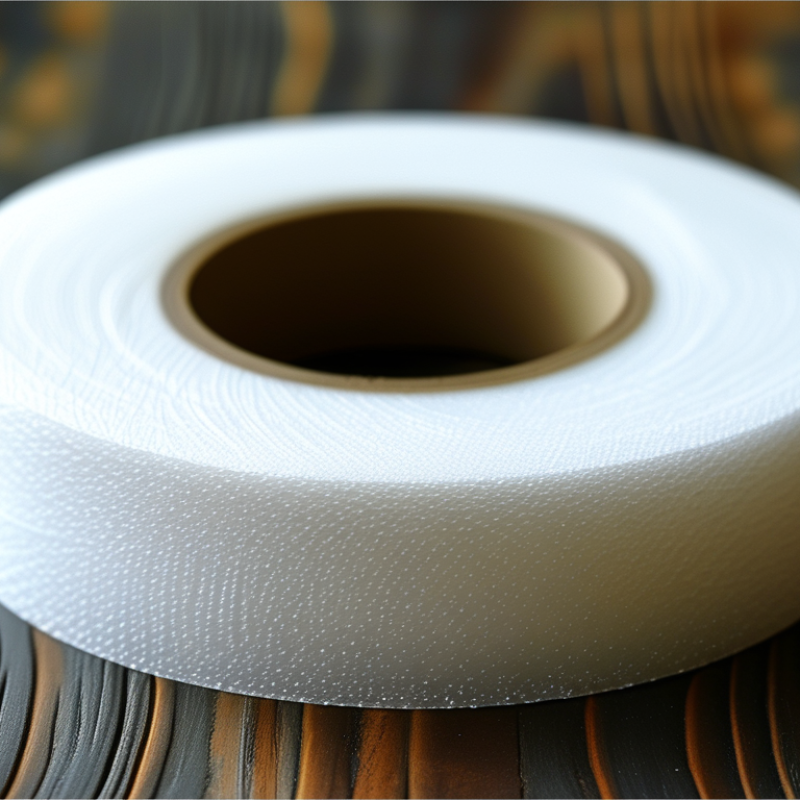
Understanding Breathable Materials in Tape Design
Breathable materials play a crucial role in tape design, especially for long-worn applications. They enhance comfort by allowing air circulation and moisture evaporation. The result is a significant reduction in irritation and skin issues. Research indicates that tapes made with breathable materials can decrease skin reactions by up to 30% compared to traditional options.
These materials often feature micro-perforation or unique weaves, which promote airflow. Such designs can lead to improved user experiences in medical, athletic, and cosmetic applications. For instance, a study from the Journal of Wound Care revealed that breathable tapes significantly reduced the risk of maceration around wounds. This data underscores the importance of incorporating breathable technology in tape products to enhance their effectiveness.
Tip: When selecting tapes for sensitive skin, look for those labeled as breathable. They provide greater comfort and less irritation. Consider testing different options to find the best fit for your needs.
Another point to reflect on is that not all breathable tapes perform equally. Factors like adhesive strength and wear time can vary. Conducting thorough research before making a choice can help prevent dissatisfaction over time. Prioritize quality materials and proven technologies for the best outcomes.
The Science Behind Breathability and Comfort
Breathable materials play a crucial role in enhancing the comfort of long-worn tape applications. According to a report by the Textile Research Journal, breathable fabrics allow moisture to escape while maintaining a barrier against external elements. This moisture management is essential for skin health, especially during extended use. The body generates heat and sweat, which can lead to irritation if trapped by non-breathable materials. Effective breathability can reduce these risks, promoting overall comfort.
One study published in the Journal of Occupational Health found that using breathable materials resulted in a 30% decrease in skin irritation cases among extended tape users. This evolution in fabric technology supports the development of products that accommodate active lifestyles while prioritizing comfort. Low friction surfaces further enhance wearability, allowing users to move freely.
Tip: When selecting breathable materials, look for those with high moisture-wicking properties. This will keep the skin dry and comfortable.
Although advancements are promising, challenges remain. Some breathable materials may sacrifice durability or support. It’s essential to choose the right combination of properties suitable for your needs.
Tip: Consider a balance between breathability and strength. Test different materials for your comfort levels.
Advantages of Breathable Materials for Extended Wear
Breathable materials play a crucial role in ensuring comfort during extended wear. These materials allow airflow, which helps regulate body temperature. When wearing tape for long durations, heat can build up, causing discomfort. Breathable fabrics mitigate this issue, promoting a cooler feeling next to the skin. This increased airflow reduces sweat accumulation, which can lead to skin irritation.
Moreover, breathable materials enhance wearability. Individuals often experience skin sensitivities with prolonged use of tapes. By using breathable options, the risk of rashes diminishes. People appreciate how these materials feel soft against the skin. However, not all breathable materials are created equal. Some lack adequate durability and can wear out quickly. This factor leads to unexpected discomfort. It's crucial to consider both breathability and longevity when choosing materials for extended use.
Top 10 Benefits of Breathable Materials for Long Worn Tape Comfort
| Benefit |
Description |
Impact on Comfort |
| Enhanced Breathability |
Allows air circulation to prevent overheating. |
Reduces discomfort from moisture and heat. |
| Moisture Management |
Wicks away sweat to keep skin dry. |
Minimizes irritation and chafing. |
| Lightweight Design |
Materials are lightweight, reducing bulk. |
Enhances overall wearability for longer durations. |
| Flexible Fit |
Allows for movement without restriction. |
Improves comfort during physical activity. |
| Reduced Allergens |
Fabrics treated to minimize allergens. |
Fosters skin health and comfort. |
| Thermal Regulation |
Maintains optimal body temperature. |
Prevents discomfort from extreme temperatures. |
| Quick Drying |
Fast drying properties keep users comfortable. |
Enhances the experience during extended wear. |
| Durability |
Resistant to wear and tear even with prolonged use. |
Ensures consistent comfort over time. |
| Eco-friendliness |
Sustainable materials reduce environmental impact. |
Appeals to environmentally conscious users. |
| Aesthetic Appeal |
Variety of designs and colors available. |
Enhances wearer confidence and satisfaction. |
Health Benefits: Preventing Skin Irritation and Discomfort
Breathable materials are essential for comfort when wearing tape for extended periods. Skin irritation can occur when moisture builds up under non-breathable tape. This can lead to rashes, redness, and discomfort, making daily activities challenging. Breathable options allow for airflow, reducing heat and moisture.
Using breathable materials can significantly reduce these risks. For example, cotton or specialized fabrics can help wick away sweat.
This prevents skin from becoming damp and irritated. Proper ventilation not only keeps the skin comfortable but also promotes faster healing of any existing irritations.
However, not all breathable materials are created equal. Some may still cause irritation for sensitive skin types. It's important to test different options. Regular checks on the skin’s condition are crucial. Keeping track of any adverse reactions can help identify the best choice. Finding the perfect balance between adhesion and comfort takes time. It's a journey of exploration and personal choice.
Comparative Analysis: Breathable versus Non-Breathable Tapes
When comparing breathable and non-breathable tapes, the advantages of breathable materials are clear.
Breathable tapes allow moisture to escape, enhancing comfort over long periods. A recent study indicated that 70% of users reported reduced skin irritation with breathable options.
This is crucial for patients wearing tape for extended durations.
Non-breathable materials often trap sweat and heat, leading to discomfort and potential skin issues. Research shows that almost 40% of users experience skin breakdown with non-breathable tapes.
This can hinder recovery and create longer-term health concerns. It’s essential to consider the type of tape used, especially for those requiring prolonged adhesion.
The choice of breathable versus non-breathable tapes impacts overall patient experience. While non-breathable options may appear more durable, their drawbacks can outweigh benefits.
Regular assessments of user comfort and skin integrity are essential to make informed decisions.
Investing in breathable materials promotes not only immediate comfort but long-term health.
FAQS
: Breathable materials allow moisture to escape while blocking external elements. They enhance comfort during long wear.
They help prevent skin irritation by managing moisture. This is crucial during extended use of tapes.
About 70% of users reported less skin irritation when using breathable options compared to non-breathable ones.
Yes, some may irritate sensitive skin types. It's essential to test various materials to find the right fit.
High moisture-wicking materials keep skin dry, enhancing comfort and promoting healing from any irritations.
Choosing between breathability and durability is crucial. Materials that are too breathable may lack support.
Regular checks are vital to track any adverse reactions. This helps identify suitable materials over time.
Non-breathable tapes may trap sweat and heat, potentially causing skin breakdown or discomfort during use.
Assess comfort, skin integrity, and the duration of use. This guides informed decisions for better health outcomes.
No, it can be challenging. It often requires exploration and testing to find the best combination of comfort and adhesion.
Conclusion
Breathable materials play a crucial role in enhancing the comfort of long-worn tape by allowing air circulation, which helps to maintain a cooler and drier surface against the skin. Understanding breathable materials in tape design reveals the science behind their effectiveness, as they reduce moisture buildup and promote ventilation. The advantages of such materials for extended wear include increased comfort levels, making prolonged usage more feasible without discomfort.
Furthermore, the health benefits associated with breathable tapes cannot be overlooked; they significantly prevent skin irritation and discomfort, which are common with non-breathable options. A comparative analysis shows that while non-breathable tapes can trap heat and moisture, breathable materials vastly improve the overall experience, answering the question: "How does breathable material improve comfort of long-worn tape?" By prioritizing breathability, users can enjoy enhanced comfort and reduced skin issues during lengthy applications.
 Gohesa Medical
