Gohesa Medical Gohesa Medical

Best Bandage Wrap Techniques for Sprains and Strains?

Time:2026-06-24 Author:Mason
0%

Injuries like sprains and strains can happen unexpectedly. Knowing how to support your body during recovery is crucial. When it comes to these common injuries, "What is the best way to wrap bandage for sprain and strain" is a key question. Proper bandaging techniques can significantly reduce further damage and aid healing.

A well-wrapped bandage provides compression and support. It helps reduce swelling and stabilizes the injured area. Each technique may vary based on the injury's location. Understanding the correct method for wrapping can make a considerable difference in comfort and recovery. However, it’s essential to acknowledge that not all methods work for everyone. Some may find a specific technique too tight or uncomfortable. Close attention to how your body responds is necessary.

Furthermore, always consult healthcare professionals for severe injuries. They provide expert insights and tailored advice. While this article aims to share effective techniques, personal experiences may lead to different preferences. Learning to wrap bandages correctly is valuable, but it is also important to remain open to adjustments based on individual needs.
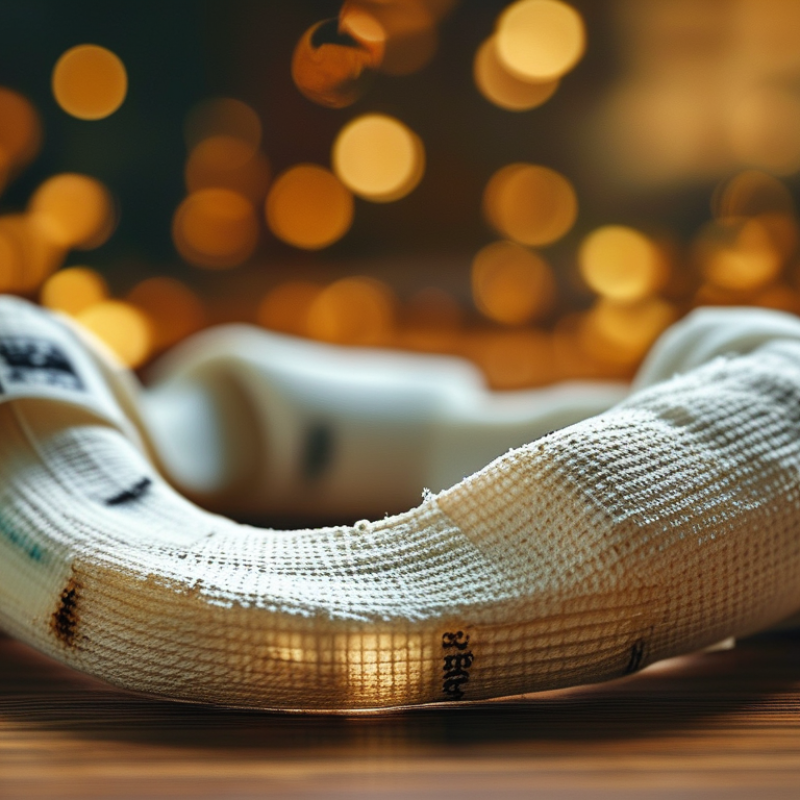
Best Bandage Wrap Techniques for Sprains and Strains?

Understanding Sprains and Strains: Key Differences Explained

Sprains and strains are common injuries that confuse many people. A sprain occurs when a ligament is overstretched or torn. Ligaments are the tough bands connecting bones at joints. This type of injury often results in swelling and bruising. On the other hand, a strain involves muscles or tendons. It happens when these tissues are stretched or torn. Recognizing the difference can lead to proper treatment.

When treating these injuries, knowing how to apply bandages effectively is essential. A well-applied bandage can provide support and reduce swelling. For sprains, immobilizing the affected joint is crucial. In contrast, strains may require more flexibility to allow movement while healing. Using a compression wrap can help in both cases. However, it can be tricky. A bandage that’s too tight might cut off circulation. This can lead to more damage.

It's important to listen to your body and seek professional advice if swelling or pain persists. Understand that over-relying on bandages might lead to a false sense of security, causing further injury. Adequate rest and gradual rehabilitation are crucial for a full recovery.

Essential Materials for Bandaging Sprains and Strains

When dealing with sprains and strains, having the right materials for bandaging is crucial. Essential items include elastic bandages, gauze pads, and adhesive tape. Elastic bandages are widely recommended due to their flexibility and ability to apply consistent pressure. According to the Journal of Orthopedic Research, proper compression can reduce swelling by up to 30%, aiding recovery.

Gauze pads play a vital role when there’s open skin. They help protect wounds from infection while allowing for airflow. Experts suggest using sterile gauze to prevent further complications. Adhesive tape is necessary for securing bandages effectively. It ensures that the bandage stays in place, even during movement. However, over-tightening can restrict blood flow.

Analyzing the common pitfalls in bandaging reveals that many people underestimate the importance of hygiene. Clean your hands and materials before application. Using proper techniques can significantly affect healing. A study from the American Academy of Family Physicians highlights that those who use incorrect wrapping methods suffer longer recovery times. Ensuring that your approach is both careful and knowledgeable will enhance your sprain or strain management.

Best Bandage Wrap Techniques for Sprains and Strains

Step-by-Step Guide to Wrapping Techniques for Ligament Injuries

When dealing with sprains and strains, applying an effective bandage wrap is crucial. The right technique can provide support and stability to the injured area. Start by positioning the injured limb comfortably. Avoid using excessive force, which can worsen the injury. Be gentle and ensure circulation is uninterrupted by checking for color changes in the skin.

After securing the end of the bandage, use a figure-eight pattern. This wraps around the joint while allowing some movement. Ensure each layer overlaps by half. This prevents slipping. For additional support, add an elastic bandage over the wrapped area. It should feel snug but not too tight; you should feel no numbness.

Remember, wrapping techniques may vary based on the injury's severity. Not every wrap will fit all situations. Be observant. If pain increases or swelling occurs, re-evaluate the wrap's tightness. Learning to wrap correctly is a skill. Mistakes can lead to further complications. Take time to practice and reflect on your technique for better results.

Tips for Properly Securing and Adjusting Bandage Wraps

When wrapping a bandage for sprains or strains, securing and adjusting it correctly is key. Start with the least tension at the ends of the wrap. This helps avoid constriction and allows for proper blood flow. Wrap upward from the injury site, overlapping layers by about half for uniform support.

Check the wrap’s tightness frequently. A good wrap should feel snug but not painful. You can use your finger to gauge tightness; if it turns blue or feels numb, adjust immediately. Make sure you can fit one or two fingers under the bandage with ease. If discomfort arises during movement, rethink the application technique.

Use additional padding around bony areas to cushion the bandage. Sometimes, it may feel off-balance after initial wrapping. This is normal and requires thoughtful adjustment. Experiment with the pressure and tightness until you find a comfortable fit. Keep in mind that practice leads to improvement in this skill. Regularly assess the wrap for effectiveness and comfort to ensure it is serving its purpose well.

Common Mistakes to Avoid When Bandaging Sprains and Strains

When dealing with sprains and strains, proper bandaging is essential. Yet, many make critical mistakes during this process. For instance, wrapping too tightly can cut off circulation, causing more harm than good. According to the American Orthopaedic Society for Sports Medicine, nearly 15% of injured athletes face complications due to improper wrapping techniques.

Another common error is failing to apply adequate padding. Without proper cushioning, the affected area may not receive the support it needs. The National Athletic Trainers' Association highlights that improper padding increases recovery time significantly. It's crucial to ensure that each layer of bandage is even and provides stability, rather than shifting or allowing the injury to move.

Skipping the evaluation of the injury's condition before bandaging can lead to further issues. A study published in the Journal of Sports Medicine reports that neglecting early assessment can result in misdiagnosis. This can inhibit healing and may even lead to chronic pain. Assess first, then apply the bandage correctly, ensuring that the area is immobilized but also not overly constricted. These practices can significantly reduce long-term complications.

Best Bandage Wrap Techniques for Sprains and Strains

Technique Description Common Mistakes
Figure Eight Wraps the bandage in a figure-eight pattern to provide support around the joint. Over-tightening, which can cut off circulation.
Spiral Wrap Simply wraps the bandage in a spiral around the limb for support. Ignoring the need for overlap, which reduces support.
Recurrent Wrap Used primarily for securing dressings on distal body parts. Not securing the starting point properly, causing slippage.
Compression Bandage Applies uniform pressure to minimize swelling. Applying excessive pressure that causes pain or discomfort.
Elastic Bandage Flexible bandage that conforms to body contours for added support. Failure to rewrap as swelling decreases, leading to loose wrapping.

FAQS

: What is a sprain?

: A sprain occurs when a ligament is overstretched or torn. This leads to swelling and bruising.

What is a strain?

A strain affects muscles or tendons, occurring when these tissues are stretched or torn. Pain often results.

How can I recognize the difference between a sprain and a strain?

Sprains involve ligaments while strains involve muscles or tendons. Swelling is common in both.

Why is proper bandaging important for these injuries?

A well-applied bandage provides support and reduces swelling, aiding in the healing process.

What should I do if I feel numbness from a bandage?

If numbness occurs, the bandage may be too tight. Reevaluate the wrap immediately to restore circulation.

How can I wrap a sprain effectively?

Secure the end, use a figure-eight pattern around the joint, and ensure layers overlap by half.

How do I know if my wrap is too tight?

Look for color changes in the skin or feel for numbness. Any sign of discomfort means it may be too tight.

Should I seek professional help for my injury?

Yes, especially if pain or swelling persists. Professional advice can prevent further complications.

Can I rely only on bandages for recovery?

Over-relying on bandages may give a false sense of security. Rest and gradual rehabilitation are essential.

Is it normal to make mistakes when wrapping?

Yes, mistakes can happen. Reflecting on your technique is necessary for improvement and better outcomes.

Conclusion

When dealing with sprains and strains, understanding the key differences between these two types of injuries is crucial for effective treatment. The article outlines essential materials needed for bandaging, along with a detailed step-by-step guide to proper wrapping techniques aimed at supporting ligament injuries. For those asking, "What is the best way to wrap bandage for sprain and strain," the guide emphasizes starting with a snug but comfortable initial wrap and gradually layering the bandage to provide adequate support without restricting blood flow.

Additionally, the article provides tips on securing and adjusting bandage wraps to ensure they stay in place while also advising on common mistakes to avoid during the bandaging process. By following these expert techniques, individuals can enhance recovery and minimize discomfort from sprains and strains.

Mason

Mason

Mason is a seasoned marketing professional with a deep expertise in the company's offerings and a passion for driving brand awareness. With a strong background in digital marketing strategies, he has an innate ability to connect with diverse audiences and effectively communicate product benefits.......