Skin allergies from medical tape can be both uncomfortable and frustrating. According to a study published in the Journal of the American Academy of Dermatology, approximately 20% of patients experience contact dermatitis due to various adhesive materials. Dr. Emily Foster, a leading dermatologist, states, "Understanding what causes skin allergy from medical tape and how to prevent it is crucial for patient comfort."
Allergic reactions typically arise from ingredients in adhesive tapes. Common allergens include latex and certain adhesive compounds. When skin reacts, it can lead to redness, swelling, and itching. These symptoms can significantly impact daily life. Preventive measures are essential. Using hypoallergenic tapes can reduce the risk.
Product choice and application techniques matter. Proper skin preparation can also help. However, many patients remain unaware of alternatives available to them. Education on this subject is necessary to improve outcomes. Individuals must assess their skin's sensitivity and choose products accordingly. Understanding what causes skin allergy from medical tape and how to prevent it empowers patients to make informed decisions, ultimately enhancing their quality of life.
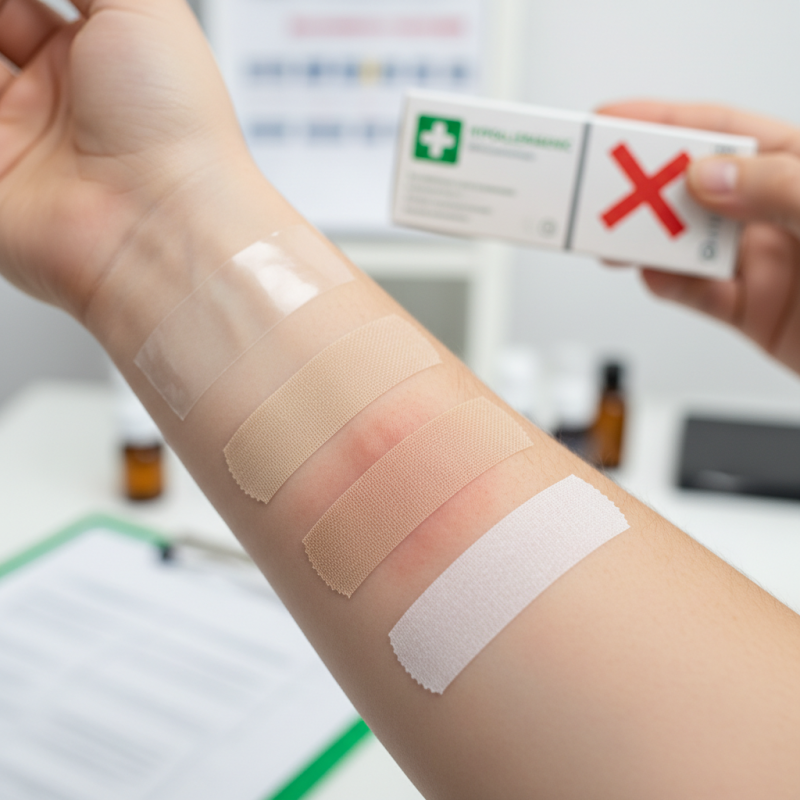
Common Ingredients in Medical Tape that Trigger Skin Allergies
Medical tape is essential in healthcare, but it can trigger skin allergies in some individuals. Common ingredients in medical tape include latex, adhesives, and preservatives. Latex allergies can cause rashes, itching, and swelling. Unfortunately, many people are unaware they are allergic until a reaction occurs.
Adhesives in medical tape can also irritate the skin. These substances can lead to contact dermatitis. Individuals with sensitive skin should be cautious. Preservatives, while used to extend shelf life, can provoke allergic reactions too. Fragrance and dyes are often added, yet they can contribute to skin sensitivity.
**Tips:** Choose hypoallergenic tape whenever possible. Test a small area on your skin before applying it widely. If you know you have allergies, consult a healthcare professional for alternatives. Always monitor your skin condition after use.
It's important to listen to your body. If irritation arises, remove the tape immediately. Over time, you'll learn what materials work best for you. Educate yourself about ingredients to avoid unwanted reactions. Your health is worth the extra effort.
Understanding Allergic Reactions: How Medical Tape Affects the Skin
Medical tape is a common tool used in healthcare settings. However, many patients experience skin reactions from its use. Understanding these allergic reactions is crucial. Medical tape is made from various materials that can cause irritation. Adhesives often used can lead to redness, itching, or even blisters.
Some individuals may react strongly to latex-based tapes, while others might have issues with silicone or foam types. Reaction severity varies based on personal skin sensitivity. Proper knowledge helps in choosing the right tape. For those prone to allergies, hypoallergenic options offer a safer choice. Applying a barrier cream before tape application might also reduce irritation.
Awareness of skin allergies from medical tape is essential for both patients and healthcare providers. An informed approach can prevent unnecessary discomfort. It’s important to observe any changes in your skin when using medical tape. This proactive attitude aids in identifying the best solutions for individual needs.
Symptoms of Skin Allergies Caused by Medical Tape
Skin allergies from medical tape can manifest in various ways. Common symptoms include redness, itching, and swelling at the site of contact. Some individuals may experience a rash that can spread beyond the immediate area of the tape. Blisters might form, leading to discomfort and potential infection if scratched. These reactions can vary in severity, and some people may notice symptoms developing immediately, while others may have delayed responses.
To address these allergies, it's crucial to recognize the signs early. If you notice any unusual skin changes after using medical tape, remove it promptly. Applying a cold compress can help soothe irritation. Keeping the affected area clean and dry is also essential for healing. In some cases, over-the-counter hydrocortisone creams may provide relief from itching and inflammation.
For persistent reactions, consulting a healthcare professional is advisable. They can recommend skin tests to identify specific allergens, ensuring better management of future tape applications.
Preventive Measures to Avoid Skin Allergies from Medical Tape
Skin allergies from medical tape can be uncomfortable and frustrating. Knowing how to avoid these reactions is crucial for many individuals, especially those in medical settings. Choosing the right tape can significantly reduce the risk of skin irritation. Look for hypoallergenic options if you have sensitive skin. It's important that the adhesive is gentle yet secure, providing necessary support without causing harm.
Proper skin preparation is another preventive measure. Clean the skin with mild soap and water before applying tape. This helps remove oils and dirt, ensuring a smooth application. Avoid using lotions or creams right before taping, as these can interfere with adhesion. Additionally, monitor the skin regularly for any signs of irritation. If redness occurs, remove the tape immediately.
Allow the skin to rest and recover before applying any new tape.
Additionally, follow removal techniques cautiously. Peel the tape back slowly and gently. If possible, use a non-irritating solvent to ease the process. In this way, you reduce the risk of trauma to the skin. Remember, awareness of your body's reactions is important. Keep track of any tape that has caused issues in the past. This knowledge helps you make informed choices moving forward.
Alternatives to Medical Tape for Sensitive Skin
Many people experience skin allergies from medical tape. This often occurs due to sensitivities to adhesives or materials. For those with sensitive skin, exploring alternatives is crucial.
One option is silicone tape. It’s gentle and adheres well without causing irritation. Many users appreciate its breathability. Another alternative is hypoallergenic tape. Made for sensitive skin, it provides good adhesion without the risk of allergic reactions. Non-adhesive dressings can also be a great choice. They protect wounds without sticking, minimizing trauma during removal.
If you prefer a more natural approach, organic cotton wraps offer comfort. They are soft and provide a secure hold. However, some may find difficulty in keeping them in place during activities. Ultimately, the best choice varies by individual needs. Testing different options can lead to better outcomes.
Top 10 Causes of Skin Allergies from Medical Tape
The chart above illustrates the top 10 causes of skin allergies associated with medical tape, highlighting that latex and acrylic adhesives are the most common irritants. Staying aware of these allergens can help individuals choose safer alternatives for sensitive skin.
FAQS
: Common ingredients include latex, adhesives, and preservatives. These can trigger reactions.
Symptoms can include redness, itching, swelling, or blisters at the tape site.
Choose hypoallergenic tape and test a small area before wider application.
Remove the tape immediately and monitor your skin condition closely for changes.
Consult a healthcare professional for alternative options if you know you have allergies.
Applying a cold compress can help relieve irritation and keep the area clean.
Yes, some people notice delayed reactions that appear hours or days after use.
Preservatives can provoke allergic reactions and contribute to skin sensitivity.
Research ingredients commonly found in medical tape to avoid unwanted reactions.
Your skin may react differently. Being aware helps you choose what works best for you.
Conclusion
Skin allergies from medical tape can stem from common ingredients that irritate sensitive skin. Understanding what causes skin allergy from medical tape and how to prevent it is crucial for those with a predisposition to allergic reactions. These reactions occur when the skin comes into contact with certain adhesives and materials, leading to symptoms such as redness, itching, and swelling.
To mitigate these reactions, it is essential to recognize the specific components in medical tape that may trigger allergies and take preventive measures. This can include selecting hypoallergenic options, conducting patch tests before extensive use, and exploring alternatives to traditional medical tape that cater to sensitive skin. By being proactive, individuals can reduce their risk of skin allergies associated with medical tape while ensuring effective medical care.
 Gohesa Medical
