Gohesa Medical
Skin allergies arising from medical tape are a common concern. These reactions can lead to discomfort and complications. Understanding what causes skin allergy from medical tape and how to prevent it is crucial for patients and healthcare providers alike.
Many factors contribute to these allergic reactions. Adhesives in medical tapes often contain substances that some people may find irritating. Repeated exposure can exacerbate sensitivities. Moreover, skin conditions such as eczema may increase susceptibility to tape allergies. Identifying individual triggers can be challenging but is essential for prevention.
Preventive measures can significantly reduce the risk. Choosing hypoallergenic tape is a good starting point. Additionally, minimizing tape application time can help. Patients should monitor their skin closely after using medical tape. Early detection of a reaction allows for quicker response. Understanding these elements fosters better outcomes and enhances the quality of care.
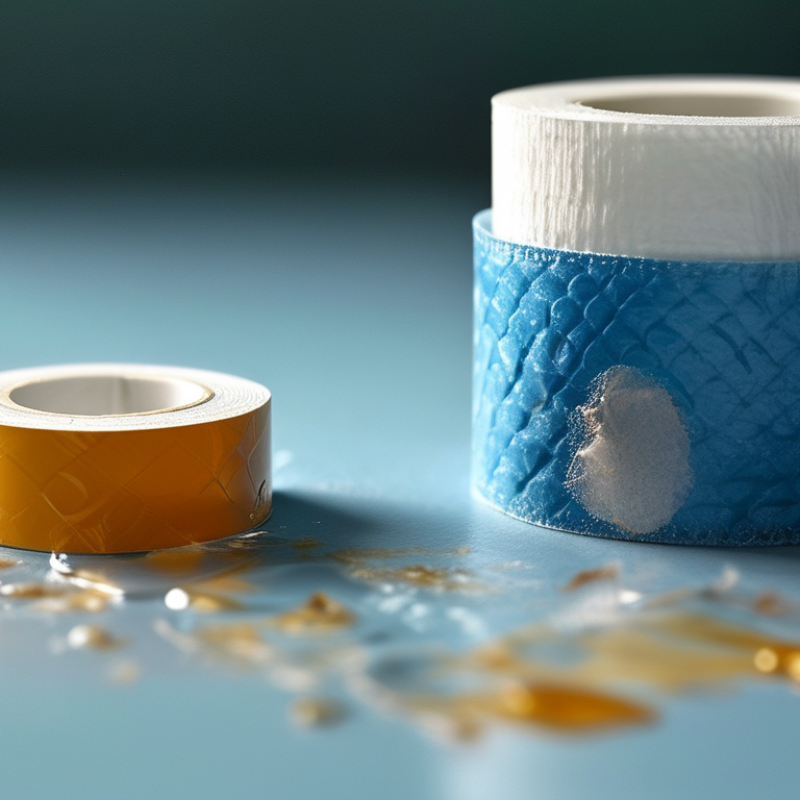
Understanding skin allergies from medical tape is crucial for anyone who frequently uses such products. Research shows that approximately 10% of the population has some form of contact dermatitis, and medical adhesives are a common trigger. Common symptoms include redness, itching, and blistering at the application site. These reactions arise due to sensitivity to the adhesive materials, such as latex or certain resins.
Preventing these allergic reactions starts with awareness. Always perform a patch test on a small skin area before applying medical tape widely. If irritation occurs, seeking alternatives is vital. Consider hypoallergenic tapes that are less likely to cause a reaction. Understanding individual sensitivities can significantly reduce the chances of a reaction.
For daily application, keep the skin clean and dry prior to taping. This minimizes the risk of irritation. Monitor the area for any developing redness or discomfort, and replace the tape promptly if issues arise. Such simple measures can go a long way in ensuring comfort and safety. A proactive approach allows users to benefit from medical tape without suffering from allergies.
Skin reactions to medical tape can be uncomfortable. Understanding these reactions is key. Common causes include adhesive sensitivities. Some individuals react to the sticky substances used in tape. This may lead to redness, itching, or swelling.
Latex allergies can also trigger skin issues. Many medical tapes contain latex. Patients with latex allergies should be cautious when using taped products. In rare cases, some tapes might irritate already damaged skin. This can make symptoms more severe.
To prevent these reactions, choose hypoallergenic tapes. These reduce the risk of skin irritation. Always test a small area before applying the tape more broadly. If irritation occurs, stop using the tape immediately. Consult a healthcare professional for further advice.
| Common Causes | Symptoms | Prevention Tips |
|---|---|---|
| Adhesive Allergies | Redness, itching, and swelling | Use hypoallergenic tapes |
| Latex Sensitivity | Rash and hives | Choose latex-free options |
| Irritation from Moisture | Blistering and peeling | Keep skin dry before application |
| Chemical Reactions | Skin burning or irritation | Check ingredient lists for sensitive skin |
| Contact Dermatitis | Red patches and skin lesions | Perform patch tests before use |
Medical tape allergies can manifest through various symptoms that may surprise many. Common signs include redness, swelling, and rash at the tape site. Some people may experience itching or a burning sensation. In more severe cases, blisters can form, indicating a significant allergic reaction. These symptoms often develop shortly after the tape is applied, but some reactions may take longer. Recognizing these signs early can help prevent more severe reactions.
The cause of these allergies is usually an allergic reaction to the adhesive used in medical tape. Some individuals may not realize they have a sensitivity until they experience a reaction. This can lead to frustration and discomfort when seeking medical treatments that involve tape. It’s crucial to communicate any past reactions to healthcare providers to avoid further issues. Identifying potential alternatives can be equally important, especially for those with sensitive skin or a history of allergies. Understanding these symptoms can empower individuals to make informed decisions about their medical care.
Medical tape can trigger skin allergies in many individuals. According to studies, approximately 10-15% of patients experience reactions to adhesive materials. Skin sensitivities can arise from various components in medical tapes, such as adhesives and latex. As healthcare providers increasingly utilize these materials, awareness becomes crucial.
Preventive measures should focus on proper tape selection. Using hypoallergenic varieties can significantly reduce allergy risks. Reports indicate that non-latex and silicone-based tapes have lower incidences of skin reactions. It’s essential to test a small area first before full application. If redness or irritation occurs, consider an alternative product.
Keeping the skin clean and dry is vital. Moisture can aggravate reactions and promote infection. Regular skin assessments can also help in early detection of sensitivities. If discomfort arises, immediate removal of the tape is crucial. Some may overlook this, thinking it's just a minor irritation, but timely action can prevent severe responses. Regular communication with healthcare providers about any existing allergies also plays a key role in safety.
Medical tape can be a source of irritation for many individuals with sensitive skin. The adhesives used in traditional medical tapes often contain latex and other allergens. According to a study published in the Journal of Allergy and Clinical Immunology, around 30% of people with sensitive skin report reactions to medical adhesives. These reactions can include redness, itching, and even blistering. For those experiencing such issues, alternative options are essential to consider.
Silicone-based adhesives offer a gentler alternative. They are less likely to irritate the skin and are known for their hypoallergenic properties. Research indicates that silicone tapes can be suitable for prolonged use. They maintain adhesion without compromising skin integrity. Medical professionals often recommend these options for patients with delicate skin, especially post-surgery patients. Non-adhesive dressings, such as absorbent pads secured with gauze, also present a viable choice. They allow airflow and minimize the risk of skin irritation.
While these alternatives may seem less common, they are becoming increasingly accessible. Nonetheless, they are not universally perfect. Some patients report that silicone tape doesn’t stick as effectively in humid conditions. Finding the right product entails trial and error, as each person's skin varies. Discussing options with healthcare providers can lead to better outcomes for those affected by skin allergies related to medical tape.
: Symptoms include redness, itching, swelling, and blistering at the application site.
Perform a patch test on a small skin area before applying tape widely.
Remove the tape immediately and consider using hypoallergenic alternatives.
Allergies often stem from sensitivity to adhesives or latex used in the tape.
Keep the skin clean and dry, and choose hypoallergenic or non-latex options.
Reactions can happen shortly after application or may take longer to develop.
Inform them about any past reactions or allergies you have experienced.
Use hypoallergenic tapes, test small areas, and monitor for irritation regularly.
Non-latex and silicone-based tapes tend to have lower rates of skin reactions.
If you notice any redness, discomfort, or swelling, remove it promptly.
Skin allergies from medical tape can be a significant concern for many individuals, often leading to discomfort and complications during medical treatments. Understanding what causes skin allergy from medical tape and how to prevent it is essential for both patients and healthcare providers. Common causes include adhesive materials, latex, and other chemicals used in tape production that may trigger allergic reactions. Symptoms often manifest as redness, itching, rashes, or even blisters, indicating an adverse reaction.
To reduce the risk of these skin allergies, several preventive measures can be employed, such as conducting patch tests before applying tape and opting for hypoallergenic alternatives designed for sensitive skin. Additionally, exploring alternative options to traditional medical tape can provide safer choices for those prone to allergies. Awareness and informed decisions can help minimize unwanted skin reactions and enhance patient comfort during medical care.
