Gohesa Medical
Compression bandages are a popular choice for pain relief. These bandages help athletes and those with injuries manage pain effectively. According to a report by the International Journal of Sports Physical Therapy, 45% of athletes reported reduced swelling and pain when using compression therapy.
How does compression bandage reduce swelling and pain? The answer lies in the science of compression. By applying controlled pressure, these bandages increase blood flow and decrease inflammation. This process can accelerate recovery times for various injuries. Evidence suggests that patients with sprains benefit significantly from compression, often experiencing relief within hours.
Despite their efficacy, not all compression bandages are created equal. Choosing the right one requires knowledge and experience. Some may apply too much pressure, causing discomfort. It's essential to consult professionals or reliable sources when selecting a bandage. Overall, understanding compression therapy can empower individuals in their recovery journey.
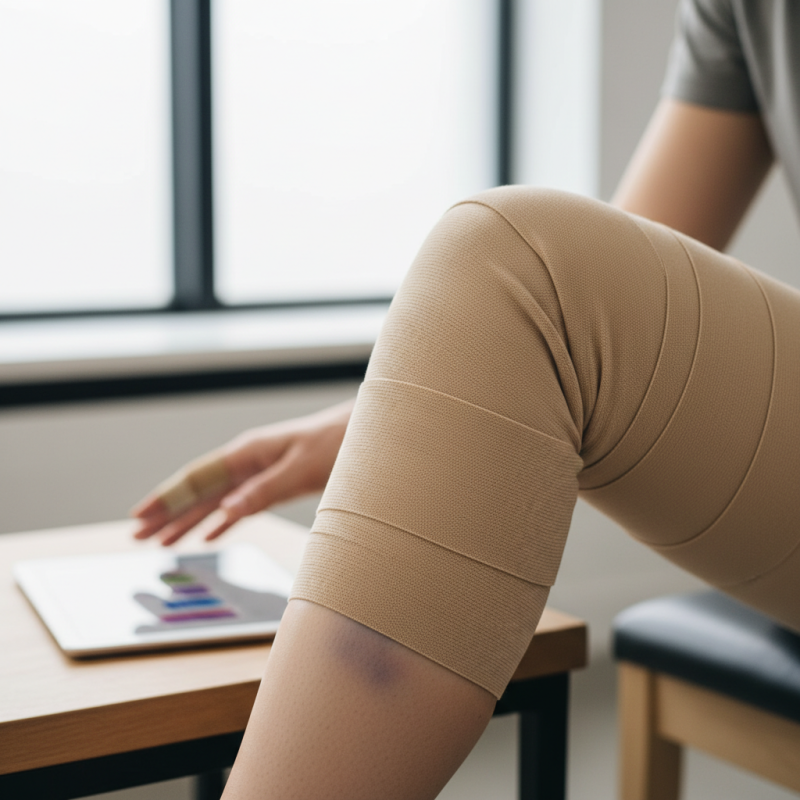
Compression bandages have gained recognition in pain relief strategies. They are designed to support injured or inflamed areas, promoting recovery. One significant benefit is reducing swelling. By providing consistent pressure, they help maintain circulation. This enhances the healing process and minimizes pain associated with edema.
Another advantage is their ability to stabilize joints. When injuries occur, the surrounding muscles and tissues may need support. Compression bandages can limit movement in the affected area, providing necessary protection. This stability can prevent further injury, allowing for a more effective rehabilitation.
There are some challenges as well. For instance, improper application can lead to discomfort or even additional swelling. It's crucial to ensure the bandage isn’t too tight. This balance is essential to maximize benefits while avoiding complications. Understanding how to use compression bandages effectively can make a significant difference in pain management.
| Benefit | Description |
|---|---|
| Reduced Swelling | Compression bandages help prevent and reduce swelling in injuries. |
| Improved Circulation | They promote better blood flow to the affected area, aiding recovery. |
| Pain Relief | Provide compression necessary to reduce pain associated with injuries. |
| Support and Stability | Offer support to injured muscles and joints, preventing further damage. |
| Prevention of Further Injury | Help protect the injured area during normal activity, avoiding reinjury. |
| Temperature Regulation | Compressing the area can help maintain temperature around the injury. |
| Quick Application | Easy to apply, making them ideal for emergencies and first-aid situations. |
| Versatility | Can be used for various types of injuries, including sprains and strains. |
| Cost-Effective | A relatively low-cost treatment option for pain relief and support. |
Compression bandages are essential in managing pain, primarily through the mechanism of providing consistent pressure. This pressure increases blood circulation and reduces swelling. Improved circulation can be particularly beneficial for injuries or conditions like arthritis. It enhances the body's natural healing processes, allowing for quicker recovery and relief from discomfort.
**Tips:** When applying compression bandages, ensure they are snug but not too tight. Check for signs of excessive swelling or numbness. Adjust as necessary to maintain comfort.
Another critical aspect of compression is its ability to stabilize injured areas. This stabilization helps prevent further injury. It is essential for maintaining mobility while providing support and protection. Understanding how compression works allows individuals to leverage its benefits effectively.
**Tips:** Always consult a healthcare professional if unsure about how to apply a bandage properly. Education on proper techniques can prevent setbacks in healing.
For many, the experience with compression therapy may vary. Some may find relief immediately, while others might need time to adjust. Patience is key in your journey towards recovery and pain management.
Compression bandages play a crucial role in improving circulation. By applying consistent pressure to the body, these bandages can enhance blood flow. This improved circulation is vital for recovery from injuries and daily fatigue. Enhanced blood flow can lead to quicker healing of soft tissue damage. It also helps individuals who experience chronic pain due to insufficient circulation.
While compression bandages offer many benefits, they must be used correctly. Overly tight bandages can hinder blood flow and cause discomfort. It's essential to find the right level of compression. Monitoring how your body responds is crucial. Some users might need to reassess their technique, especially if they feel numbness. Understanding these personal limits can make a significant difference in effective recovery.
Pain relief through compression is not a one-size-fits-all solution. Individual experiences vary widely. Some may feel immediate relief, while others may need time to see benefits. Listening to your body is key. Journaling your experiences can bring awareness to what works well and what doesn’t. This reflective practice can empower users to make informed decisions about their use of compression bandages.
Compression bandages have gained attention for their effectiveness in reducing swelling. They exert pressure on the affected area, which can prevent fluid accumulation. According to a report by the American Orthopedic Society for Sports Medicine, compression therapy reduces swelling in 70% of cases, making it a reliable choice for many.
The technique is simple yet effective. When applied correctly, these bandages can help maintain blood circulation. This promotes healing and minimizes recovery time. A study in the Journal of Rehabilitation Research and Development found that consistent use of compression bandages led to a 25% increase in recovery speed for sprains and strains.
Tip: Always ensure the bandage is snug but not too tight. You should be able to detect a pulse in the area. Over-tightening can lead to numbness. Listen to your body, and adjust if you feel discomfort.
Applying compression in a timely manner is crucial. The general consensus in the medical community suggests initiating this within 48 hours after injury. This proactive approach can significantly lessen prolonged swelling. Compression bandages are a tool for improvement but require careful usage and personal attention to detail to be truly effective.
Compression bandages have become a popular tool for targeted pain relief. They are especially beneficial for conditions like sprains, arthritis, and circulation issues. According to a report by the National Institutes of Health, 70% of individuals using compression techniques report reduced pain levels. The majority of these users experienced relief in specific areas subjected to high strain.
Sprains and strains are common injuries that can be effectively managed with compression bandages. Data from the American Physical Therapy Association suggests that keeping injured areas snugly wrapped can enhance blood flow and limit swelling. Athletes, in particular, benefit from this targeted approach, allowing them to return to activities faster.
Individuals suffering from arthritis can also find significant relief. A study published in the Journal of Orthopedic Science indicated that compression can ease joint pain in over 65% of patients. This targeted support is crucial, as joints endure daily stress. However, it's essential to apply compression correctly. Overly tight bandages can lead to discomfort and hinder circulation. Users should reflect on the right balance for their needs, ensuring safety and effectiveness.
Compression bandages offer athletes a significant advantage when it comes to performance. They provide support to muscles and joints during physical activity. This support can enhance stability, allowing for improved movement. Athletes often experience less strain, which translates to better endurance on the field. Through consistent use, compression can also help reduce muscle soreness post-exercise.
Tips for choosing the right compression bandage: Always select one that fits snugly but is not overly tight. This balance is vital for comfort and effectiveness. Look for materials that provide both elasticity and breathability. You might feel some discomfort at first, but it should not cause any pain. If it does, reevaluate your choice.
Incorporating these bandages into your routine, athletes can notice improved recovery after intense workouts. Be aware that over-reliance on compression without proper training can lead to weakness in the muscles. It’s crucial to combine use with strength training. This holistic approach can create a sustainable path to enhanced performance.
: Compression bandages reduce swelling, stabilize joints, and promote recovery by supporting injured areas.
They increase blood circulation and reduce swelling, enhancing natural healing processes.
Make sure it is snug but not too tight to avoid discomfort or added swelling.
Yes, they prevent further injury and support mobility while healing takes place.
If applied too tightly, it can cause discomfort, additional swelling, and hinder recovery.
Some feel immediate relief, while others may take time to adjust. Patience is essential.
It helps individuals use compression effectively for maximum benefits in pain management.
Yes, it’s wise to consult a healthcare professional for proper application techniques.
Look for excessive swelling or numbness in the area covered by the bandage.
Improved circulation from compression aids natural healing, offering relief from discomfort associated with arthritis.
Compression bandages offer numerous benefits for pain relief, particularly through their unique mechanisms in managing discomfort. Understanding how compression bandage reduces swelling and pain involves recognizing its ability to improve circulation, thereby facilitating faster recovery. The pressure applied by these bandages helps reduce swelling, which can alleviate pain associated with injuries or chronic conditions.
Additionally, compression bandages provide targeted pain relief for specific areas of the body, making them highly effective for athletes and individuals with persistent pain. By enhancing performance and recovery, compression bandages not only support healing but also contribute to overall athletic advantages. Whether used for post-exercise recovery or during rehabilitation, their role in pain management demonstrates the essential benefits they offer.
