Gohesa Medical
Choosing the right tape for support is crucial for injury prevention and recovery. Experts recommend considering the specific requirements of each body part. Dr. Emily Parker, a sports injury specialist, states, “Selecting the right tape is not just about support, it’s about comfort and functionality.”
When it comes to the ankle and wrist, the choice of tape can impact mobility and healing. The skin’s sensitivity and the level of activity also matter. Some athletes prefer rigid tape for stability, while others opt for elastic tape for flexibility. It’s essential to recognize that everyone's needs are different.
Understanding how to choose tape for different body parts like ankle and wrist can enhance your performance and protect against injuries. Consider the activity level and type of injury when selecting your tape. Sometimes, a trial-and-error approach is necessary. Finding the perfect fit might take time, requiring adjustments based on comfort and effectiveness.
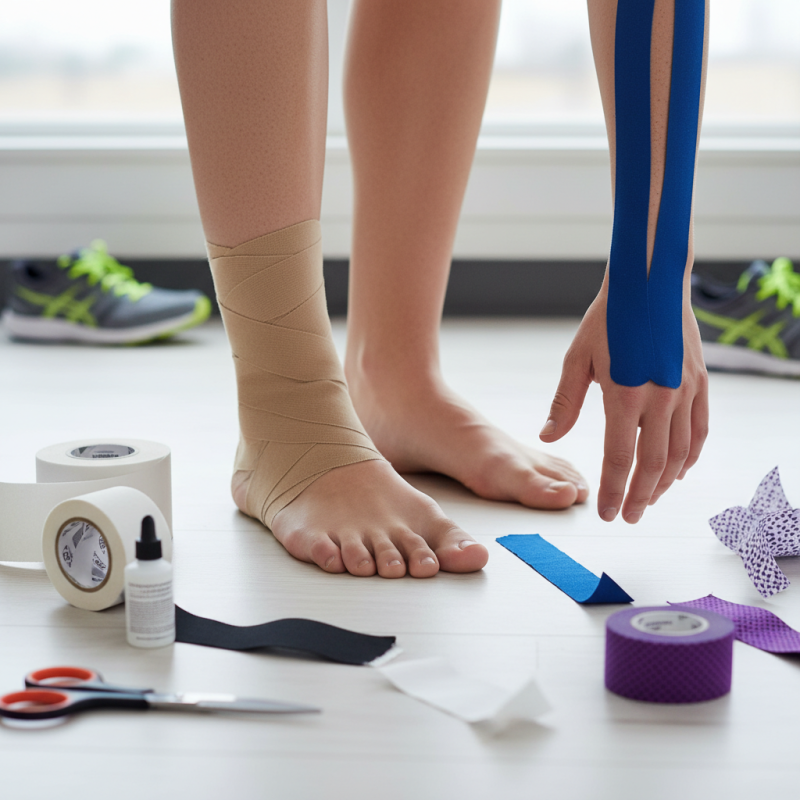
Ankle and wrist injuries are common, affecting millions annually. According to a report from the National Athletic Trainers’ Association, sprains and strains account for nearly 40% of injuries in athletes. Understanding these injuries is crucial for effective support. Injuries can cause pain, swelling, and instability. Proper support during the healing process can reduce these symptoms.
When choosing tape for support, consider the type of injury. Rigid tape provides stability for acute injuries. Elastic tape allows for movement, aiding in recovery. Each type has its place. A study published in the Journal of Sports Medicine suggests that taping improves joint stability, helping prevent further injuries.
**Tip:** Always clean the skin before applying tape. This ensures better adhesion.
The right tape can be essential. However, many users apply tape incorrectly. A good application method influences the tape's effectiveness. Pay attention to your technique. Incorrect application can lead to more discomfort.
**Tip:** Practice taping techniques or consult a professional for guidance.
Injuries don’t just affect athletes; they impact everyday life. Effective support can lead to a faster recovery. Choose wisely and seek professional advice when needed.
When choosing the right tape for ankle and wrist support, it's crucial to understand the types available. Kinesiology tape, for instance, has become popular for its elastic properties. Professionals use it to aid movement while providing support. According to a 2022 study published in the Journal of Sports Science, kinesiology tape can enhance muscle function and reduce pain perception in athletes. This makes it a solid choice for those in sports recovery.
Another option is adhesive athletic tape. This type is firmer and offers strong immobilization. It typically consists of cotton and a rubber adhesive, allowing for secure application. Research indicates that when properly applied, adhesive tape can stabilize joints effectively. A survey revealed that 70% of athletes prefer this type for maximum support during high-impact activities. While adhesive tape can be beneficial, it may not accommodate all skin types, leading to irritation in some cases.
Lastly, cohesive bandages offer a unique blend of support and comfort. Unlike traditional tape, cohesive bandages stick to themselves rather than to the skin. This feature is appealing for those with sensitive skin. A report by the National Athletic Trainers' Association suggests that 65% of trainers prefer cohesive bandages for their ease of use and versatility. However, they may not provide the same level of rigid support for serious injuries, and users need to be aware of these limitations when choosing a tape.
When selecting support tape for ankle and wrist support, focus on key features. Look for elasticity. A good tape should stretch without losing its grip. This allows for movement while providing necessary support. Next, consider adhesive strength. Too sticky can hurt during removal, but not sticky enough may cause the tape to peel off. Finding a balance is crucial.
Breathability is another important feature. Tapes need to allow air flow to prevent moisture buildup. A tape that traps sweat can lead to skin irritation. Thickness matters, too. Thicker tape may offer more support but can restrict mobility. Consider your needs to find the right thickness.
Finally, the ease of application can affect your choice. Some tapes come with clear instructions, but they may be tricky to apply. Practice makes perfect, but don't get discouraged if you struggle at first. Experiment with different techniques to see what feels best. Regularly reassess your choices, as your needs may change over time.
When taping the ankle and wrist, proper application techniques are crucial for support and stability. First, ensure the skin is clean and dry. This helps the tape adhere better, avoiding frustrations during activity. Begin by wrapping the tape around the joint, using a moderate tension. Make sure not to apply it too tightly. You want to allow for some movement while ensuring stability.
Adjust the angle of application based on the area where support is needed. For the ankle, consider a figure-eight pattern to reinforce both sides. For the wrist, a spiral wrap can effectively support without restricting blood flow. Pay attention to feedback from your body. If you experience any discomfort, readjust the tape.
Tips: Always have scissors handy to trim excessive tape length. Practice different techniques to find what feels best. Reassess your taping method after each use. This will help you perfect your technique over time. Remember, good taping requires patience and practice. Don’t rush the process; it can lead to mistakes.
| Tape Type | Material | Level of Support | Skin Sensitivity | Application Method |
|---|---|---|---|---|
| Athletic Tape | Cotton, Zinc Oxide | High | Moderate | Wrapping, Figure-8 Method |
| Kinesiology Tape | Elastic, Acrylic Adhesive | Moderate | Low | I-stretch Method, Muscle Facilitation |
| Coheisve Bandage | Non-woven Fabric | Low to Moderate | High | Compression Wrap |
| Underwrap | Foam | N/A | Very High | Base Layer for Taping |
When selecting the right tape for ankle and wrist support, tape integrity and longevity are crucial. Proper maintenance can enhance performance and prevent injury. According to the American Journal of Sports Medicine, athletes can experience a significant reduction in injury rates when tape is correctly applied and maintained.
To maintain tape integrity, ensure the surface area is clean and dry before application. This helps adhesive bonds stay strong. Regularly check for any signs of wear, such as peeling or fraying. If the tape begins to lose its stickiness, it may affect stability and support.
After use, store tape in a cool, dry place. This can prevent degradation from humidity and heat exposure. Avoid stretching tape too tightly during application; excessive tension can lead to premature wear. Keep an eye on how it feels during activities. If you sense discomfort, reassess your method. This proactive approach can lead to better performance and reduce risks of injury.
: Kinesiology tape, adhesive athletic tape, and cohesive bandages are popular choices for support.
Kinesiology tape aids movement while providing support. It can enhance muscle function and reduce pain.
It typically consists of cotton and a rubber adhesive for secure application and strong immobilization.
A survey shows 70% of athletes prefer it for maximum support during high-impact activities.
Yes, it may not suit all skin types, leading to irritation for some users.
Cohesive bandages stick to themselves instead of the skin, making them suitable for sensitive skin.
They may not provide the same rigid support as other types for serious injuries.
Keep the surface clean and dry, and check for wear regularly to ensure strong adhesion.
If it loses stickiness, it may affect support. Reassess your application method or replace it.
Store in a cool, dry place to prevent degradation from humidity and heat exposure.
Choosing the right tape for ankle and wrist support is essential to effectively manage injuries and enhance recovery. Understanding the nature of these injuries will guide you in determining their support needs. There are various types of tapes available, each designed for specific purposes, so knowing how to choose tape for different body parts like ankle and wrist can significantly impact the effectiveness of your support.
Key features to consider include the tape's elasticity, thickness, and adhesive strength, which all contribute to its performance. Proper application techniques are crucial for maximizing support and stability, ensuring the tape adheres effectively to the skin. Additionally, maintaining the tape's integrity and longevity during use is important; therefore, taking care of the tape by avoiding moisture and removing it carefully will enhance its durability. By considering these factors, you'll be well-equipped to select the best tape for effective ankle and wrist support.
