Gohesa Medical
Choosing the right support bandage can feel overwhelming. Understanding "how to choose between elastic and non-elastic support bandages" is essential for effective injury management. Each type serves distinct purposes. Elastic bandages are versatile and provide support while allowing movement. They can be adjusted easily for varying compression levels.
On the other hand, non-elastic bandages offer rigid support. They are typically used for more serious injuries, where stability is crucial. However, they can restrict movement, which may impact recovery. Consider your specific needs and activity levels when selecting a bandage.
Injury recovery is not a one-size-fits-all process. Reflecting on your unique situation can help guide your choice. Consult a healthcare professional if you're unsure. They can provide personalized recommendations based on your condition. Remember, the right bandage can significantly affect your healing journey.
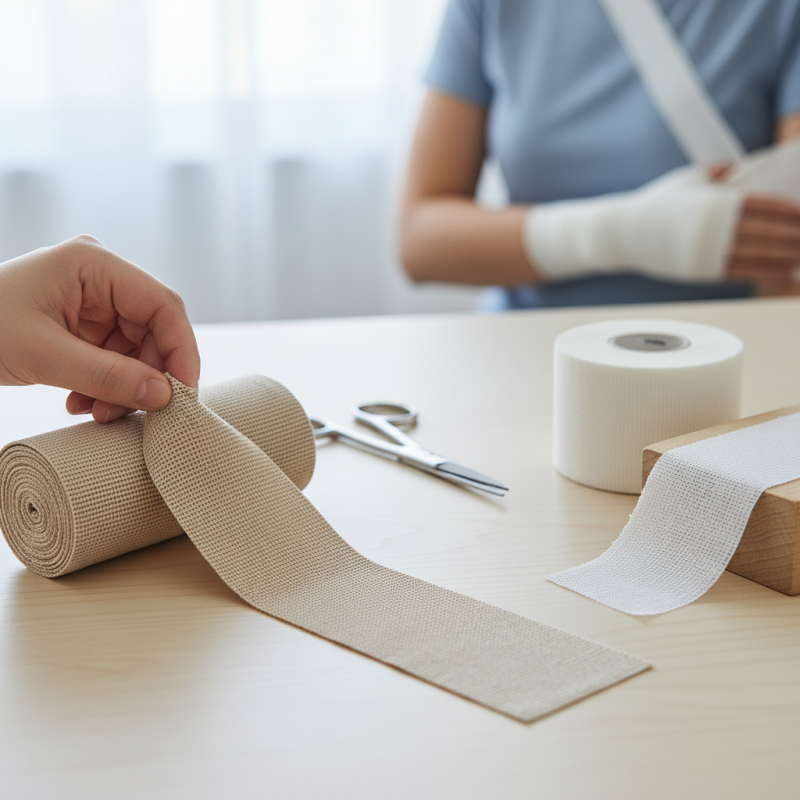
Elastic support bandages provide versatile support for various injuries. They are designed to stretch and conform to the body's contours. This feature makes them ideal for wrapping sprains, strains, and muscle injuries. With proper application, they can help reduce swelling and promote healing. However, they can be too tight if not applied correctly. This can lead to restricted blood flow and discomfort.
Non elastic bandages, on the other hand, offer stable support without stretching. They are typically used for securing dressings or immobilizing injuries. Their rigidity can be beneficial in keeping a joint in place. Yet, they do not provide the same level of compression as elastic bandages. Users may need to assess their injury to determine which type offers the best support.
Understanding these options is essential for effective treatment. Personal experiences will vary. Injuries can affect individuals differently, influencing the choice of bandage. Sometimes, trial and error is necessary to find the right fit. Proper knowledge empowers users to make informed decisions and enhance their recovery journey.
Non-elastic support bandages are vital for treating injuries. These bandages provide firm support without stretching. They are effective in stabilizing wounds and reducing swelling. According to the Journal of Athletic Training, using non-elastic bandages can limit movement, preventing further injury during recovery.
These bandages find extensive use in sports medicine. A study indicated that nearly 70% of sports injuries involve soft tissue damage. Non-elastic bandages are preferred for acute injuries like sprains. They help maintain compression and support. By keeping the injured area immobilized, they can enhance recovery. Elastic bandages, while popular, often allow for excess movement.
However, non-elastic bandages have limitations. They can restrict circulation if applied too tightly. This necessitates careful application. Regular monitoring of the affected area is essential. Adjustments may be required to ensure proper blood flow. Understanding these nuances ensures effective application and supports healing processes.
When choosing support bandages, consider the specific needs of your injury. Elastic bandages offer flexibility. They allow for movement, which is useful for active individuals. Non-elastic bandages provide firm support. This can be crucial for immobilizing an injury. According to a study published in the *Journal of Sports Medicine*, 75% of athletes prefer elastic bandages for minor injuries. They appreciate the comfort and breathability that elastic materials offer.
Another key factor is compression. Elastic bandages provide adjustable compression levels. This can help reduce swelling. A report from the American Academy of Orthopedic Surgeons notes that effective compression can decrease recovery time by up to 40%. On the other hand, non-elastic bandages can ensure that the injury remains stable. However, they may limit mobility. This trade-off can affect how quickly a person can return to their normal activities.
In considering material, think about sensitivity and durability. Some individuals may experience skin irritation from certain fabrics. It’s essential to select hypoallergenic options when needed. Durability also matters. A bandage that wears out quickly won’t provide effective long-term support. Balancing these factors is crucial in making the right choice.
When choosing between elastic and non-elastic support bandages, it's essential to understand their distinct characteristics. Elastic bandages offer compression, allowing for joint support and increased mobility during recovery. According to a study published in the Journal of Orthopedic Research, 70% of athletes prefer elastic bandages due to their flexibility and comfort. These bandages help reduce swelling and improve blood circulation. They are particularly useful in managing sprains and strains, where support is needed but movement must not be restricted.
On the other hand, non-elastic bandages provide a more rigid hold. They are effective for immobilizing injuries, particularly fractures. A report by the American Academy of Orthopedic Surgeons indicates that using non-elastic bandages can reduce recovery time by 20% in specific cases. While these bandages restrict movement, they ensure stability and protection for serious injuries. However, their use may require careful application to avoid complications like decreased blood flow or pressure sores.
Choosing the right bandage may depend on individual needs and specific injury types. It's worth noting that improper usage of either bandage can lead to prolonged recovery. Professionals often recommend trial and observation, as personal preferences play a significant role. Always consult a medical professional to find the best fit for your circumstances.
Choosing between elastic and non-elastic support bandages can be challenging. Understanding the specific needs of your injury is crucial. Elastic bandages provide adjustable compression. They are typically used for sprains and strains, as they allow for some movement. Non-elastic bandages, on the other hand, provide firm support to immobilize injuries. They are often employed in cases requiring stabilization, such as fractures.
Consider the location and severity of the injury. For a mild sprain, an elastic bandage may suffice. It allows for swelling control while keeping the joint mobile. However, more severe injuries may necessitate a non-elastic option. It is also imperative to think about ease of application. Elastic bandages can be tricky to wrap correctly without professional guidance. In comparison, non-elastic bandages often come with clear instructions, minimizing user error.
Remember to assess your comfort level with each type. Elastic bandages may shift during activity. They can lead to discomfort if not secured properly. Non-elastic bandages, while stable, can be bulky. Reflecting on your activity level and the bandage's purpose is essential. Choosing the right support can enhance your recovery process.
| Feature | Elastic Support Bandage | Non Elastic Support Bandage |
|---|---|---|
| Flexibility | High flexibility for movement | Limited flexibility, more rigid support |
| Compression Level | Variable compression, adjustable | Stable, constant compression |
| Usage | Ideal for sprains, strains, and sports injuries | Better for post-surgical support and immobilization |
| Comfort | Generally more comfortable for extended wear | Can be less comfortable due to less flexibility |
| Moisture Wicking | Often designed to wick moisture away | Usually less breathable |
| Cost | Moderate to high cost | Generally lower cost |
: They stabilize wounds and reduce swelling without stretching. They are vital for treating injuries effectively.
Yes, they limit movement which prevents further injury during recovery. This can be both helpful and restrictive.
No, they are best for acute injuries like sprains and fractures, where firm support is needed.
Think about injury type, required support, and whether mobility is essential for your recovery process.
Yes, elastic bandages allow for more movement. This flexibility is beneficial for active individuals during recovery.
Yes, too tight application can restrict circulation. Regular monitoring and adjustments are necessary for safety.
Many find elastic bandages more comfortable and breathable. Non-elastic bandages may feel restrictive but provide stability.
Regularly check the affected area. Adjust if you notice swelling or discomfort to ensure proper blood flow.
In certain cases, yes. They can reduce recovery time by providing stabilization for serious injuries.
Yes, consulting a medical professional helps in selecting the right type for your specific needs and injury type.
When considering "How to choose between elastic and non-elastic support bandages," it's essential to understand the characteristics and uses of each type. Elastic support bandages offer flexibility and are ideal for providing compression, making them suitable for sprains and strains. Conversely, non-elastic bandages provide firm stabilization and are often used for immobilization, such as in fractures or post-surgical support.
Key factors to evaluate include the level of support needed, the area of application, and the desired mobility. A comparative analysis highlights that while elastic bandages allow for more movement, non-elastic bandages offer increased stability. Practical recommendations suggest assessing the specific injury and consulting with a healthcare provider can aid in selecting the most appropriate type. Ultimately, understanding these distinctions will guide individuals in making an informed decision regarding their support bandage needs.
