Gohesa Medical Gohesa Medical

What is the Difference Between Kinesiology Tape and Sports Tape?

Time:2026-04-29 Author:Sienna
0%

When exploring the world of athletic performance and recovery, enthusiasts often encounter two types of tape: kinesiology tape and sports tape. This leads to a common question: "What is the difference between kinesiology tape and regular sports tape?" Renowned sports physiotherapist Dr. Sarah Johnson emphasizes, "Kinesiology tape allows for greater movement freedom, while sports tape provides firm support."

Kinesiology tape is designed for flexibility. It stretches with the skin, promoting circulation and reducing pain. In contrast, sports tape offers rigid support for injured areas, restricting movement to prevent further injury. Understanding these differences can be crucial for athletes looking to optimize their performance and recovery.

Both types of tape have unique applications but are often misused. Athletes sometimes apply kinesiology tape too tightly, limiting movement instead of enhancing it. Misunderstanding the purpose of sports tape can lead to inadequate support. Therefore, knowing "What is the difference between kinesiology tape and regular sports tape" can help athletes make informed decisions.
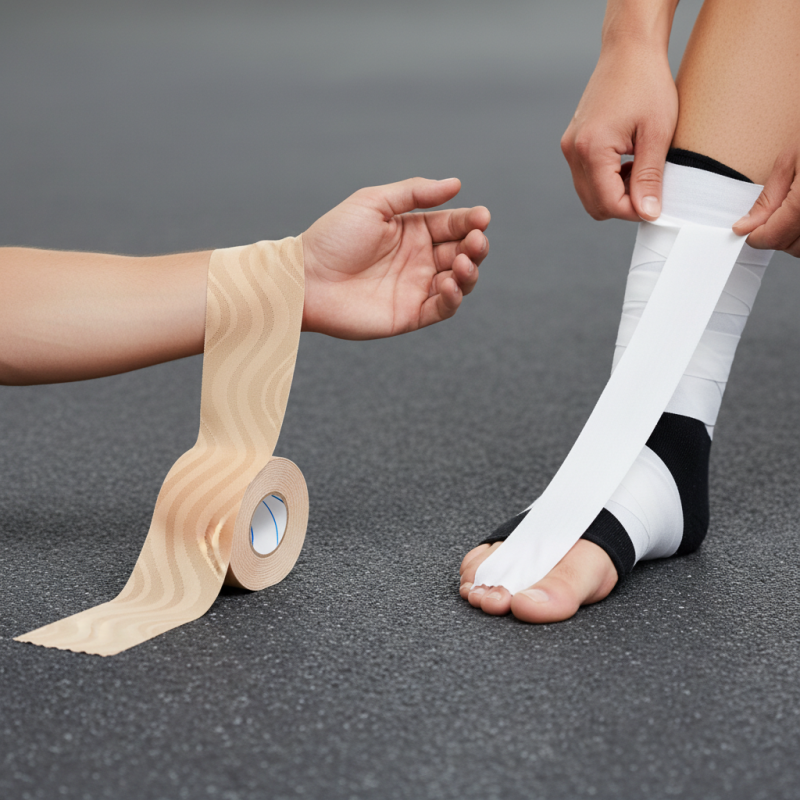
What is the Difference Between Kinesiology Tape and Sports Tape?

Definition and Purpose of Kinesiology Tape

Kinesiology tape is designed to support muscles and joints without restricting movement. It is made from a thin, stretchy fabric, allowing for flexibility. This tape mimics the elasticity of human skin, promoting better blood circulation and lymphatic drainage. Its application aims to enhance athletic performance and facilitate recovery. Different taping techniques can target specific areas for support, offering tailored benefits.

Moreover, kinesiology tape serves a therapeutic purpose. Many athletes use it to alleviate pain and reduce inflammation. The tape lifts the skin slightly, which can ease pressure on receptors in the area. This can lead to improved range of motion and reduced discomfort. Some users find it challenging to apply correctly, leading to mixed results. Proper technique is crucial in achieving the desired effects.

While kinesiology tape has many benefits, it’s not a one-size-fits-all solution. Some people may not respond well to it. Feedback from users varies, indicating that personal experiences greatly influence its efficacy. Understanding how to use it effectively remains a learning process for many athletes.

Definition and Purpose of Sports Tape

Sports tape is a versatile tool used primarily in the world of athletics. Its main purpose is to provide support and stability to muscles and joints. This means that athletes can perform at their best while reducing the risk of injuries. Sports tape aids in the prevention of sprains and strains by limiting excessive movement. Athletes often apply it to critical areas like ankles and wrists.

When applying sports tape, it’s essential to ensure proper technique. A poorly applied tape can limit movement rather than enhance it. Always clean the skin before application to increase adhesion. Additionally, never wrap too tightly, as this can hinder blood flow. A good fit is crucial for effectiveness.

It’s also important to reflect on when to use sports tape. While it can be beneficial for support, over-reliance may weaken natural muscle stability. Regular strength training is vital alongside tape usage. Keep in mind that using sports tape is not a substitute for addressing underlying injuries or weaknesses. Balance is key when incorporating this tool into your routine.

Key Differences in Composition and Material

Kinesiology tape and sports tape are both widely used in athletic settings, but they differ significantly in composition and purpose. Kinesiology tape is made from elastic cotton fibers, allowing for flexibility and movement. This tape mimics the skin's elasticity, which supports natural motion. It's often used for injury prevention and rehabilitation. The breathable material also helps reduce skin irritation during prolonged wear.

In contrast, sports tape is typically made from a more rigid fabric. It is designed to restrict movement, providing firm support to injured joints and muscles. This tape adheres strongly to the skin and is often used for acute injuries. Its construction can sometimes lead to skin discomfort, especially with extended use. Choosing the right tape depends on the athlete’s needs and the nature of their injuries.

Many athletes may find themselves confused about which tape to use. This can lead to improper applications and ineffective support. Understanding the key differences in composition can guide athletes in making better choices. It's crucial to consider the specific benefits each type of tape offers based on individual injury status or activity level.

What is the Difference Between Kinesiology Tape and Sports Tape? - Key Differences in Composition and Material

Feature Kinesiology Tape Sports Tape
Purpose Provides support and stability to muscles and joints while allowing a full range of motion. Primarily used for immobilization and protection of injured areas.
Material Elastic fabric with a hypoallergenic adhesive. Rigid fabric with strong adhesive for a tight hold.
Flexibility High flexibility, mimicking skin's elasticity. Low flexibility, providing limited movement.
Duration of Use Can be worn for several days up to a week. Usually applied for short-term use during activities.
Type of Support Provides neurosensory feedback to the brain. Limits movement to prevent further injury.

Application Techniques for Kinesiology Tape

Kinesiology tape application requires careful attention to detail. Start by cleaning the skin. This ensures a firm bond between the tape and skin. Cutting the tape correctly is crucial too. Sharp scissors help achieve precise edges. These edges prevent peeling during activity.


When applying kinesiology tape, consider the tension. The tape can be applied without stretch, moderate stretch, or full stretch. The amount of stretch impacts the tape's effectiveness. For muscle support, apply with varying degrees of tension based on the muscle’s function.


In some cases, improper application may lead to discomfort or reduced effectiveness. It’s essential to practice different techniques to find what feels best. Observing how your body responds can guide future applications. Reflecting on these experiences helps improve skills over time. Mastering kinesiology tape can enhance athletic performance and aid recovery but needs patience and practice.

Application Techniques for Sports Tape

When applying sports tape, proper technique is essential for effective results. It is crucial to clean and dry the skin before application. Any oil or sweat can reduce adhesion. For a basic ankle taping technique, start by wrapping the tape around the ankle in a figure-eight pattern. This helps in stabilizing the joint. Always ensure the tape is snug but not too tight to avoid restricting circulation.

The tension applied during taping can greatly affect its effectiveness. Too much tension may lead to discomfort and skin irritation. Conversely, too little tension might not provide the necessary support. Some athletes find it beneficial to practice the application in front of a mirror. This can help in achieving a good fit that balances support and comfort.

Another aspect to consider is the duration of wear. Sports tape may not remain effective for more than a few days. Regular checks for irritation or any signs of discomfort are necessary. Keeping an eye on how the tape interacts with the body is part of a reflective practice. The learning process continues every time you tape, so adjustments can be made for future applications.

FAQS

: What is the primary purpose of sports tape?

: Sports tape provides support and stability to muscles and joints, helping athletes reduce injury risk.

How should the skin be prepared before applying sports tape?

Always clean and dry the skin to improve adhesion before applying sports tape.

Can using sports tape weaken natural muscle stability?

Yes, over-reliance on sports tape may weaken natural stability. Balance with strength training is important.

What happens if sports tape is applied too tightly?

Taping too tightly can restrict blood flow and cause discomfort or pain during activity.

How can I improve my tape application technique?

Practice different techniques and reflect on how your body feels after application to enhance your skills.

What pattern is often recommended for ankle taping?

A figure-eight pattern is commonly used to stabilize the ankle effectively.

How long can sports tape remain effective after application?

Sports tape usually remains effective for a few days, requiring regular checks for irritation.

Why is the tension applied during taping crucial?

The right amount of tension ensures support. Too much can irritate the skin, while too little may be ineffective.

What should I do if sports tape causes discomfort?

Remove the tape and assess the application technique. Adjustments may be needed for future applications.

Is sports tape a substitute for treating injuries?

No, it’s not a substitute for treating underlying injuries. Addressing the root issues is essential.

Conclusion

Kinesiology tape and regular sports tape serve different purposes in athletic and therapeutic contexts. Kinesiology tape is designed to support muscle movement while allowing full range of motion, often applied in a way that aligns with specific muscle patterns to facilitate recovery and reduce pain. On the other hand, sports tape is primarily used for support and stabilization, typically applied to restrict movements in injured areas to prevent further damage.

When considering "What is the difference between kinesiology tape and regular sports tape," key aspects include composition and application techniques. Kinesiology tape is usually made from a stretchy, breathable material that mimics skin elasticity, while sports tape is often rigid, providing strong support. Application techniques also differ; kinesiology tape requires more skill to achieve therapeutic benefits, while sports tape focuses on immobilization. Understanding these differences is essential for athletes and individuals seeking effective injury management and recovery support.

Sienna

Sienna

Sienna is a skilled marketing professional with a deep expertise in our company’s core products and services. With a passion for innovation and detail, she plays a pivotal role in crafting insightful blog posts that not only highlight the unique features of our offerings but also provide valuable......