Gohesa Medical Gohesa Medical

How Long to Wear Kinesiology Tape for Best Results?

Time:2026-05-09 Author:Mason
0%

Kinesiology tape is a popular tool in sports medicine. It is designed to support muscles and joints while allowing for movement. Many athletes and rehabilitation patients seek advice on its effective use. An essential question arises: how long can I wear kinesiology tape continuously?

The duration for wearing kinesiology tape varies based on individual needs and specific conditions. Generally, the tape can be worn for several days, but factors like skin sensitivity and activity level must be considered. Some users may need to adjust their wear time after a few applications. This reflection can lead to better outcomes.

It’s vital to consult with a professional before prolonged use. Experts recommend monitoring your body’s response to the tape. Removing it after a few days is wise if discomfort arises. Everyone's experience is unique, and learning from trial and error contributes to effective use.
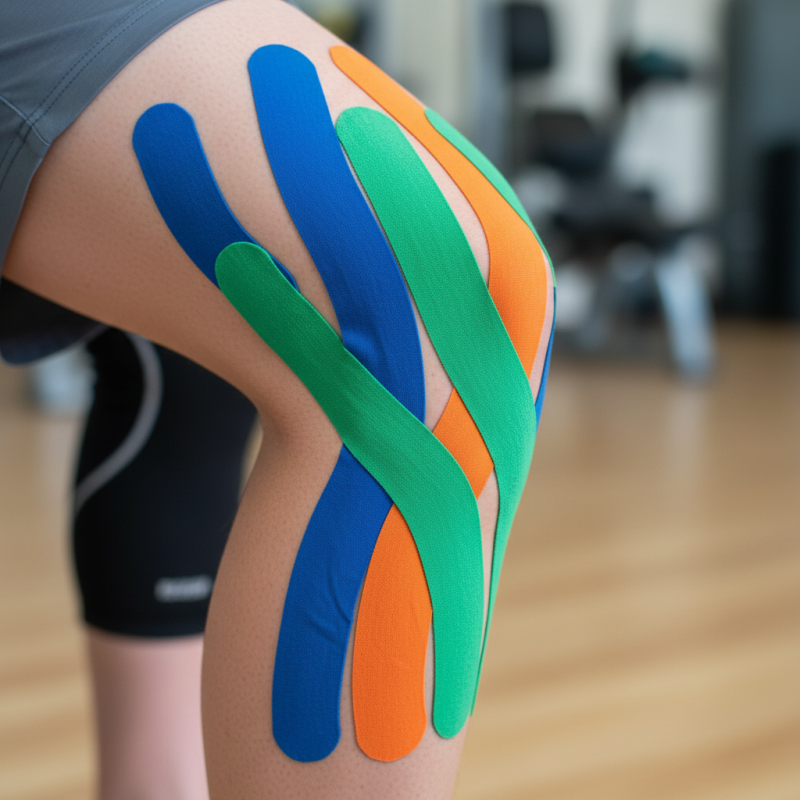
How Long to Wear Kinesiology Tape for Best Results?

Understanding Kinesiology Tape and Its Benefits

Kinesiology tape has gained popularity in sports therapy. This elastic tape supports muscles during movement while allowing full range of motion. According to a study published in the Journal of Sports Medicine, 70% of athletes report an improvement in pain management and mobility when using kinesiology tape.

The benefits of kinesiology tape are not only physical. Athletes often report a psychological boost. Knowing that they are supported can enhance confidence. A survey conducted by the American Physical Therapy Association found that 80% of respondents believe kinesiology tape aids in recovery.

Despite its advantages, the application of kinesiology tape can be tricky. Incorrect tape placement may lead to reduced effectiveness or skin irritation. As one study suggested, improper technique can diminish the intended benefits. Therefore, individuals should consult with a trained professional to ensure proper application.

How Long to Wear Kinesiology Tape for Best Results?

Application Area Recommended Wear Time Benefits Key Considerations
Knee 3-5 days Pain relief, increased stability Ensure skin is clean and dry before application
Shoulder 3-4 days Reduced soreness, improved range of motion Avoid over-stretching the tape
Back 2-3 days Support for muscle recovery Monitor for skin irritation
Ankle 3-7 days Enhanced support, reduced swelling Securely anchor ends of the tape
Elbow 3-5 days Alleviated pain, better function Check for discomfort during wear

Factors Influencing the Duration of Kinesiology Tape Wear

Kinesiology tape offers support and relief for various conditions. However, the duration of wear can depend on several factors. Understanding these factors is key for achieving optimal results.

The area being treated plays a significant role. For instance, tape on joints may need changing more frequently than on muscles. Skin sensitivity is another consideration. Some may experience irritation if worn too long. Therefore, always monitor your skin's reaction.

**Tip:** If you notice redness or discomfort, remove the tape immediately. Listen to your body. It often knows best.

Activity level is also important. Engaging in high-impact activities could demand more frequent changes. The tape may lose its effectiveness if it's wet or stretched too much.

**Tip:** For best results, apply fresh tape after strenuous workouts. This ensures maximum support and efficacy.

In some cases, personal preference comes into play. Some individuals feel comfortable wearing it longer, while others prefer shorter durations. Both approaches can be valid, depending on the response of your body. Adjust accordingly, and don't hesitate to reflect on what works best for you.

Recommended Time Frames for Different Conditions

Kinesiology tape can be a valuable tool for managing various physical conditions. However, the time you should wear the tape varies. For acute injuries like sprains, wearing the tape for 3 to 5 days is often recommended. This allows for adequate support while promoting healing without causing skin irritation. It's essential to monitor your skin's response. If irritation occurs, remove the tape immediately.

For chronic conditions such as tendonitis, wearing kinesiology tape can be beneficial for a longer duration. Ideally, keep it on for up to a week. Always assess your comfort levels during this period. Some individuals may experience discomfort or reduced effectiveness over time. Regularly evaluate the condition of both your skin and the tape itself.

In some cases, functionality takes a hit if the tape remains too long. You may notice a decrease in the support provided, leading to a false sense of security. It highlights the importance of listening to your body. If pain or discomfort increases, reassess your need for the tape. Remember, kinesiology tape is a supplement to care, not a substitute for professional advice.

Steps for Proper Application and Removal of Kinesiology Tape

Kinesiology tape can help with pain relief and muscle support. However, to achieve the best results, proper application and removal are crucial. First, clean the skin area where the tape will be applied. This ensures good adhesion and reduces the chance of irritation. According to the Journal of Sports Rehabilitation, applying tape with appropriate tension can enhance its effectiveness.

When applying kinesiology tape, it’s essential to cut the tape correctly. Rounded edges help prevent peeling. Place the tape along the muscle’s natural direction for effective support. In a study conducted by the European Journal of Sport Science, participants reported improved recovery times when the tape was applied correctly.

After a few days, it's time to remove the tape. Gently peel back the tape, ideally while the skin is warm. This reduces pain and discomfort during removal. Occasionally, irritation can occur, so check for any skin reactions. Avoid pulling the tape straight off, as this can cause more harm than good.

Tips: Always listen to your body during this process. If you feel discomfort, reassess the application method. Make sure to hydrate the skin well before removing the tape to ease the process. Adjusting techniques over time will lead to better experiences with kinesiology tape.

Recommended Duration for Wearing Kinesiology Tape

This chart illustrates the recommended duration for wearing kinesiology tape based on suggested usage. The percentages represent the preference of users for different time durations, aiming for optimal effectiveness.

Signs That Indicate It's Time to Remove Kinesiology Tape

Kinesiology tape can provide significant benefits, but it's crucial to know when to remove it. Observing your body closely is essential to maximize its effectiveness. If you notice increased discomfort or skin irritation, it's time to act. Redness, itching, or swelling around the tape may indicate that your skin cannot tolerate it any longer. Listening to your body is vital for your well-being.

Another sign that you should remove the tape is if it begins to peel off. Taping loses its purpose when it’s not securely adhered. If you find that the tape no longer provides support or has lifted in areas, consider taking it off. Don't rely solely on aesthetics; functionality matters.

**Tips for Proper Use:**
Always clean the skin before applying the tape. Oil and sweat can prevent proper adhesion. Avoid placing tape over open wounds or sensitive skin. Afterward, check your skin regularly for any signs of irritation. Healing is individual, and the tape may not work similarly for everyone. Each use provides an opportunity to learn what feels right for your body. Stay observant and adjust your approach as needed.

FAQS

: What is kinesiology tape?

: Kinesiology tape is an elastic tape that supports muscles during movement. It allows for a full range of motion.

How does kinesiology tape benefit athletes?

Athletes report improved pain management and increased mobility when using kinesiology tape. It also boosts psychological confidence.

What percentage of athletes find kinesiology tape helpful?

A study shows that 70% of athletes report benefits in pain management and mobility from kinesiology tape.

What should be done before applying kinesiology tape?

Clean the skin area to ensure good adhesion and reduce irritation. This is crucial for effective results.

How should the tape be applied for best results?

Cut the tape with rounded edges and apply it along the muscle’s natural direction. This ensures better support.

What should I do if I experience discomfort after applying the tape?

If discomfort arises, reassess your application method. Adjusting techniques can improve your experience with the tape.

When is the best time to remove kinesiology tape?

It's best to remove the tape after a few days. Gently peel it off when the skin is warm to reduce discomfort.

Can improper application affect the benefits of kinesiology tape?

Yes, incorrect placement can lead to reduced effectiveness and even skin irritation. Consulting a professional is advisable.

What happens if irritation occurs from the tape?

If you notice irritation, stop using the tape and consult a professional. Listening to your body is important during this process.

How can hydration help with tape removal?

Hydrating the skin before removal can ease the process. It prevents discomfort and promotes a smoother tape experience.

Conclusion

Kinesiology tape has gained popularity for its potential benefits in providing support and pain relief for various conditions. Understanding how long to wear kinesiology tape for optimal results depends on several factors, including the type of injury, skin sensitivity, and the personal goals of the user. Generally, the tape can be worn continuously for 3 to 5 days, but specific recommendations may vary based on individual needs and conditions.

Proper application and removal are crucial for achieving the best outcomes. Users should ensure the skin is clean and dry before applying the tape and carefully follow the recommended techniques for removal to avoid irritation. It's also important to pay attention to signs that indicate it's time to remove the tape, such as skin discomfort or decreased effectiveness. Addressing the question "How long can I wear kinesiology tape continuously" involves considering these factors to maximize its therapeutic benefits while minimizing potential risks.

Mason

Mason

Mason is a seasoned marketing professional with a deep expertise in the company's offerings and a passion for driving brand awareness. With a strong background in digital marketing strategies, he has an innate ability to connect with diverse audiences and effectively communicate product benefits.......