Gohesa Medical
When applying tape to skin that is wet or sweaty, challenges often arise. It is crucial to understand how to improve tape adhesion on sweaty or wet skin. Many experience difficulties in ensuring a secure bond. Factors like moisture and skin texture can significantly affect tape performance.
Proper preparation is key. Cleaning the skin thoroughly can help, but it isn't always enough. Sometimes, the tape still fails to adhere properly due to moisture. It's important to consider various types of tape and their specific properties. Some tapes are designed for challenging conditions, while others may not hold up well. Reflecting on personal experiences can lead to discovering effective solutions. Experimentation often reveals unexpected results, emphasizing a trial-and-error approach.
Finding the right technique may require persistence. Adjustments can lead to better outcomes, but perfection is rarely achieved. Understanding these nuances fosters improvement and encourages careful consideration. Ultimately, learning how to enhance tape adhesion on wet or sweaty skin can be both a practical and insightful journey.
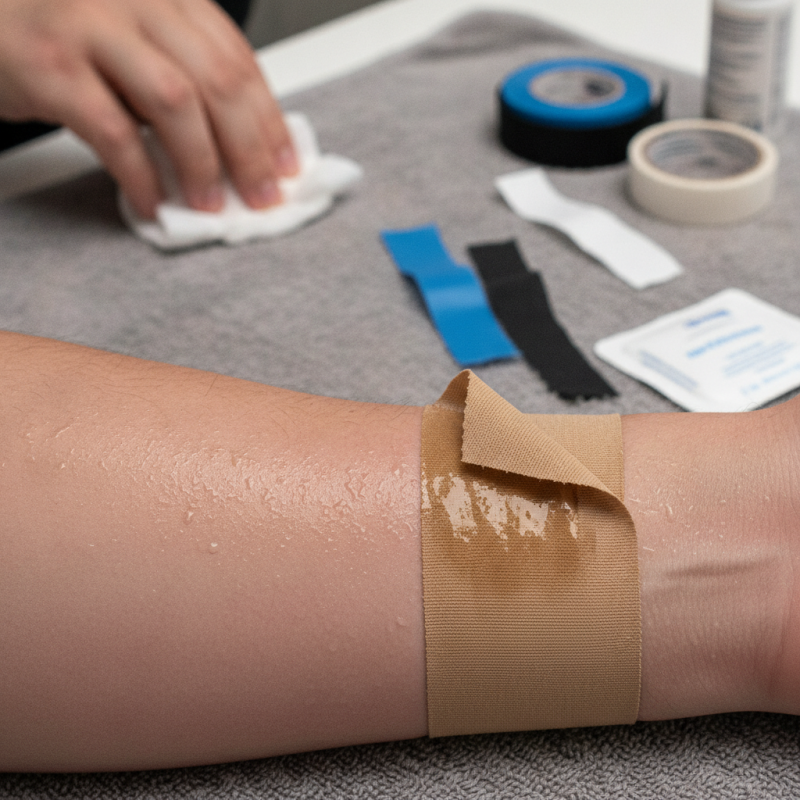
Tape adhesion on wet or sweaty skin presents unique challenges. Moisture disrupts the bond between the adhesive and the skin, leading to a higher likelihood of tape failure. According to a study published in the Journal of Adhesion Science, tape adhesion can decrease by as much as 30% in humid conditions. This significant reduction in adhesion can cause discomfort and inconvenience.
Additionally, the skin's natural oils and sweat can create a barrier. An evaluation by the American Academy of Dermatology highlighted that skin hydration levels directly affect adhesive performance. When hydration is high, the surface becomes slick, and the tape struggles to maintain its grip. It is crucial for practitioners to understand these dynamics. The application techniques should adjust based on skin condition and moisture levels.
Proper preparation of the skin, including drying and cleaning, can enhance adhesion. A 2022 report from the Adhesive Manufacturers Association emphasizes that pre-treatment can improve tape reliability by almost 25%. Despite advancements in adhesive technology, challenges remain. Achieving a perfect bond on moist skin often requires careful consideration and flexibility in approach.
When considering tapes for wet conditions, it’s crucial to choose the right type. A few options are available that specialize in adhering to moist surfaces. Waterproof tape is one such option. It offers strong adhesion even in high humidity or when applied to sweating skin. Another reliable choice is silicone tape, known for its flexibility and resilience against water.
Tips for proper application are vital. Clean the skin thoroughly before applying tape. This helps remove sweat and oils that can weaken adhesion. Ensure the area is dry, as moisture can impede the tape's sticking power. Choose a tape designed to withstand sweat, as its composition typically enhances gripping ability.
Remember, even with the right tape, conditions can vary. Different skin types may react differently to adhesives. Test small areas first to identify any irritation. Always consider how active you will be. If you know you’ll sweat a lot, these factors matter. Selecting the appropriate tape can significantly enhance its effectiveness, but personal experience is key.
Preparing skin for optimal tape adhesion is not always straightforward, especially on wet or sweaty areas. Proper skin preparation significantly boosts the adhesive properties of tape. Start by cleaning the skin gently but thoroughly. Use a mild soap to remove any oil, lotion, or sweat. Rinse well and pat dry instead of rubbing. Moisture even from sweat can reduce adhesion. Ensuring the skin is dry is crucial.
Consider using an alcohol wipe. This can further degrease the skin, enhancing grip. However, be careful; alcohol can irritate sensitive skin. Wait a couple of minutes after cleaning to allow the skin to return to room temperature. Sometimes, a little sweat can linger, even if the skin feels dry. In these cases, waiting a little longer may be beneficial.
Think about the area where you are applying tape. Is it prone to movement? Stretching or bending can cause the tape to lose grip. Keep this in mind when preparing. Be adaptable in your method. Some people might find that using a light dusting of powder can help manage moisture. Experiment with techniques that work for your skin type. It’s about finding the right balance between cleanliness and optimal adhesion.
This chart illustrates the tape adhesion strength under various skin conditions. As expected, clean and moisturized skin provides the best adhesion, while wet and sweaty conditions significantly reduce the adhesive strength.
When applying tape on sweaty skin, it's crucial to prepare the surface properly. Start by gently cleansing the area to remove moisture and oils. A soft towel will help absorb some sweat. After drying, consider using an adhesive promoter. These can enhance the tape's grip, especially in humid conditions.
Positioning the tape correctly is essential. Stretch the tape slightly as you apply it. This technique can help create a tighter bond. Be cautious; too much tension can cause discomfort or skin irritation. It’s a balance that may require practice.
Testing the tape's hold during physical activity is a good idea. Move around to see if it stays in place. If it peels off, reevaluate your method. Sometimes, using multiple layers can provide better stability. Learning from each application enhances skills and results over time.
Aftercare practices play a vital role in enhancing tape performance, especially on wet or sweaty skin. A meticulous approach can make a significant difference. After applying tape, allow it to settle for at least an hour. This time helps to establish a strong bond. You can lightly press down on the edges to secure the tape further.
Hydration levels affect skin and tape interaction. Keeping the skin clean and dry before application is crucial. If sweat accumulates under the tape, it can lift or peel off sooner than expected. Monitor how the tape interacts with your skin throughout the day. If you notice signs of lifting, gently reposition or replace the tape when possible.
Regular maintenance also matters. Avoid using lotions or oils on the skin where the tape adheres. These products can weaken the adhesive bond. During physical activity, consider periodic checks to ensure the tape remains secure. Sometimes, adjustments may be necessary to maintain optimal adhesion. It’s okay to learn from these experiences and seek better techniques. Tape application isn’t always perfect; adapting is part of the process.
: Moisture disrupts the bond, reducing adhesion by up to 30% in humid conditions.
Properly drying and cleaning skin enhances adhesion by almost 25% before tape application.
Waterproof tape and silicone tape are good options for moist surfaces.
Clean and dry the skin thoroughly before applying tape to ensure strong adhesion.
Gently reposition or replace the tape when you notice signs of lifting.
High hydration can make skin slick, making it harder for tape to maintain grip.
Yes, regularly monitor the tape, as adjustments may be needed for optimal adhesion.
Yes, lotions and oils can weaken the adhesive bond where the tape adheres.
Yes, testing on small areas can help identify any potential irritation before full application.
Allow at least an hour for the tape to settle and establish a strong bond before moving.
Tape adhesion on wet or sweaty skin presents unique challenges that can be managed with the right techniques. Understanding the factors that hinder adhesion is crucial, as moisture can prevent effective bonding. To improve tape adhesion on sweaty or wet skin, selecting the appropriate type of tape designed for moist environments is essential.
Preparing the skin properly by cleaning and drying the area prior to application can significantly enhance adhesion. Additionally, employing specific techniques for tape application, such as ensuring smooth, even placement while avoiding air bubbles, can further increase effectiveness. Finally, aftercare plays a vital role in maintaining tape performance; employing suitable maintenance strategies helps extend the durability of the tape under challenging conditions. By following these guidelines, individuals can achieve superior results even when dealing with moisture on the skin.