Gohesa Medical
When considering adhesive tape, one key question arises: What factors affect the stickiness of adhesive tape? Renowned adhesive specialist Dr. Emily Chen has noted, "The composition of the adhesive and environmental conditions play critical roles in adhesion." This insight underscores the complexity of tape performance, influenced by multiple elements.
The stickiness of tape is not just about the adhesive. Factors like temperature, surface texture, and material compatibility also shape its effectiveness. High temperatures can soften some adhesives, while low temperatures may reduce stickiness. The surface's roughness significantly impacts how well tape adheres, as smoother surfaces often allow better bonding.
Understanding these dynamics is crucial for industries relying on adhesive solutions. For instance, packaging companies need to evaluate conditions where their products will be stored. The right adhesive for one environment may falter in another. This complexity highlights the importance of thorough testing and analysis in the adhesive tape market. Expertise is vital, but even experts must regularly reassess their assumptions about what makes adhesion work effectively.
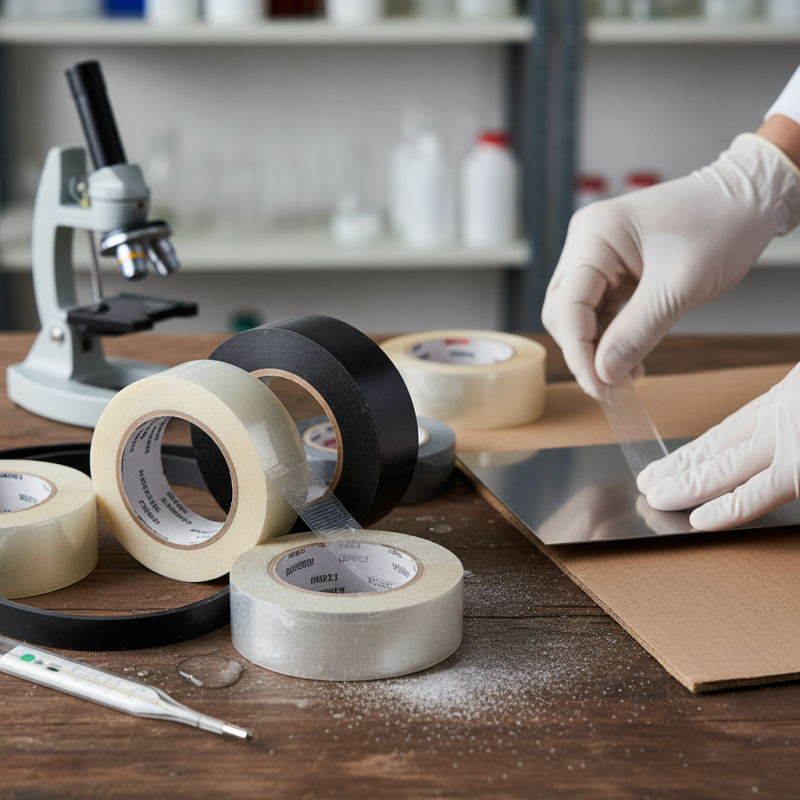
Adhesive tape stickiness largely depends on its composition. Various adhesive materials, such as rubber and acrylic, create different bonding properties. Rubber-based adhesives tend to provide superior initial tack. They work well on rough surfaces. Acrylic adhesives, however, offer excellent long-term performance. They can withstand higher temperatures and environmental changes.
When selecting adhesive tape, consider the surface types you will use. Not all adhesives bond effectively with all surfaces. For example, smooth surfaces like glass require a different adhesive than porous materials. A mismatch can lead to poor adhesion. Test a small piece on your planned surface. This ensures compatibility before using a large roll.
Tip: Store adhesive tape in a cool, dry place. Heat and humidity can alter the adhesive quality over time. Also, remember that tape loses effectiveness if exposed to dust or dirt. Always clean surfaces before application to achieve the best results. Ensuring proper contact enhances stickiness greatly.
The surface energy of substrates plays a critical role in adhesive tape stickiness. High surface energy materials, like metals and glass, promote better adhesion. This occurs because the adhesive can penetrate the microscopic irregularities of these surfaces. As a result, the tape bonds more effectively. Conversely, low surface energy substrates, such as certain plastics, can hinder adhesion. The smoothness of these surfaces prevents the adhesive from forming a strong bond.
Additionally, surface contaminants can further reduce stickiness. Dust, oils, and moisture can interfere with the adhesive's ability to grip. Even a small amount of debris can diminish the overall performance of the tape. It’s essential to consider the cleanliness of the application surface. Preparation can vary based on the material type.
Over time, one might question if all applications require thorough preparation. In some instances, a quick application might seem sufficient. However, neglecting surface energy principles can lead to failure. Reflecting on this can guide better choices in adhesion applications. Understanding surface energy is vital in achieving the desired results with adhesive tapes.
This chart illustrates the relationship between surface energy levels of substrates and the stickiness of adhesive tape. As the surface energy of the substrate increases, the stickiness level also increases, which shows a direct correlation between these two factors.
Adhesive tape performance is greatly influenced by environmental factors, particularly temperature and humidity. Both elements play a vital role in the stickiness and effectiveness of the tape. High humidity can weaken adhesives, causing them to lose grip. On the other hand, excessive heat can soften the adhesive, leading to easy detachment.
When applying tape, consider the surrounding temperature. If it’s too cold, the adhesive may not flow and bond properly. A cool environment often leads to a reduced stickiness level. In contrast, warm conditions can cause the adhesive to become overly tacky, which might invite dust and debris. These conditions can compromise the integrity of your tape application.
Tips: Always test your adhesive tape in the environment where it will be used. If you notice problems, adjust the conditions if possible. Use tape designed for specific climates. The right choice can enhance performance and longevity. Remember, even the best tape may fail if not chosen correctly. This reflection can lead to better project outcomes in the future.
The effectiveness of adhesive tape hinges significantly on application techniques.
Pressure plays a crucial role.
Industry studies indicate that applying sufficient pressure can increase adhesion by up to 50%.
This is because adequate pressure allows the adhesive to flow into the microscopic surface irregularities of the materials being bonded.
Using the right method is equally important.
Studies show that a uniform, consistent stroke during application enhances tape performance.
Techniques such as rolling the tape onto the surface rather than pulling can improve contact.
This may seem minor but can result in stronger bonds.
Tips:
Always prepare the surface before applying tape. Clean it to remove dust and grease.
Consider the environment where the tape is used, as humidity and temperature can also affect stickiness.
High moisture can weaken adhesive bonds.
Tips:
Conduct a small test before full application to gauge adhesion under specific conditions.
Adhesive tape performance can be heavily influenced by age and storage conditions. Over time, tapes degrade, losing their initial stickiness. Factors like temperature and humidity play significant roles in this process. A roll left in a hot garage can become less effective. Similarly, exposure to moisture can lead to adhesive breakdown, reducing its efficacy.
Proper storage can extend the life of adhesive tape. Ideally, tapes should be kept in a cool, dry place. The environment should be stable, avoiding extremes in temperature or humidity. Packaging can also impact longevity. Tapes stored in airtight containers tend to perform better than those left exposed.
Users often overlook these details, leading to disappointing results. It’s essential to check the expiration dates and condition of adhesive tape regularly. A simple visual inspection can reveal signs of wear or damage. By understanding these factors, users can ensure optimal performance and avoid frustration during critical projects.
: The composition of the adhesive, such as rubber or acrylic, plays a key role in its stickiness.
Smooth surfaces need specific adhesives. Mismatched surfaces can lead to poor adhesion and disappointment.
Proper pressure and technique can increase adhesion by 50%. Good methods enhance contact and bond strength.
Storing tape in a cool, dry place with stable temperature is crucial for maintaining its effectiveness.
Over time, tapes degrade. Heat and humidity can cause significant loss of stickiness and effectiveness.
Yes, conducting a small test ensures compatibility and enhances the likelihood of a successful bond.
High humidity can weaken bonds. Temperature extremes also adversely affect adhesive performance and reliability.
Look for visible damage or expiration dates. Regular checks can help avoid using ineffective tape.
Absolutely! Cleaning removes dust and grease, ensuring better contact for effective adhesion.
Overlooking storage conditions or ignoring adhesive types for surfaces can lead to less effective bonding.
When considering what factors affect the stickiness of adhesive tape, several key elements come into play. First, the adhesive composition plays a crucial role, as the type and formulation of the adhesive determine its initial tack and long-term performance. Additionally, the surface energy of the substrates onto which the tape adheres significantly impacts adhesion; smoother surfaces may reduce stickiness, while rougher or more porous materials can enhance it.
Environmental factors such as temperature and humidity also influence adhesive performance, as extreme conditions can weaken the bond. The technique applied during the tape's application—specifically, the amount of pressure used—affects the contact between the adhesive and the substrate, impacting stickiness. Lastly, age and storage conditions of the tape can lead to degradation of the adhesive, ultimately affecting its effectiveness. Understanding these factors is essential for selecting the right tape for various applications.
