Gohesa Medical
In the ever-evolving field of healthcare, the safety of medical adhesive tapes remains crucial. Understanding "what materials are safe for medical adhesive tape" is fundamental for both manufacturers and users. According to a report by the Medical Adhesives Industry Association, nearly 70% of skin reactions reported are linked to adhesive materials. This highlights the importance of selecting the right components.
Dr. Emily Chen, a leading expert in medical adhesives, emphasizes this point: "Choosing the right materials can significantly reduce adverse skin reactions." Safety and effectiveness can be at odds in some cases, making it essential to evaluate the composition of adhesive tapes regularly. Many widely used materials, like silicone and polyurethane, excel in biocompatibility. However, not all tapes meet the required standards for sensitive skin.
Addressing the nuances of adhesive selection is critical. Each patient’s needs vary, and materials that work for one may not suit another. It’s a delicate balance of safety, effectiveness, and comfort. The ongoing research in this area aims to refine material choices, but challenges remain. As the industry grows, so do the expectations for hypoallergenic and safe options.
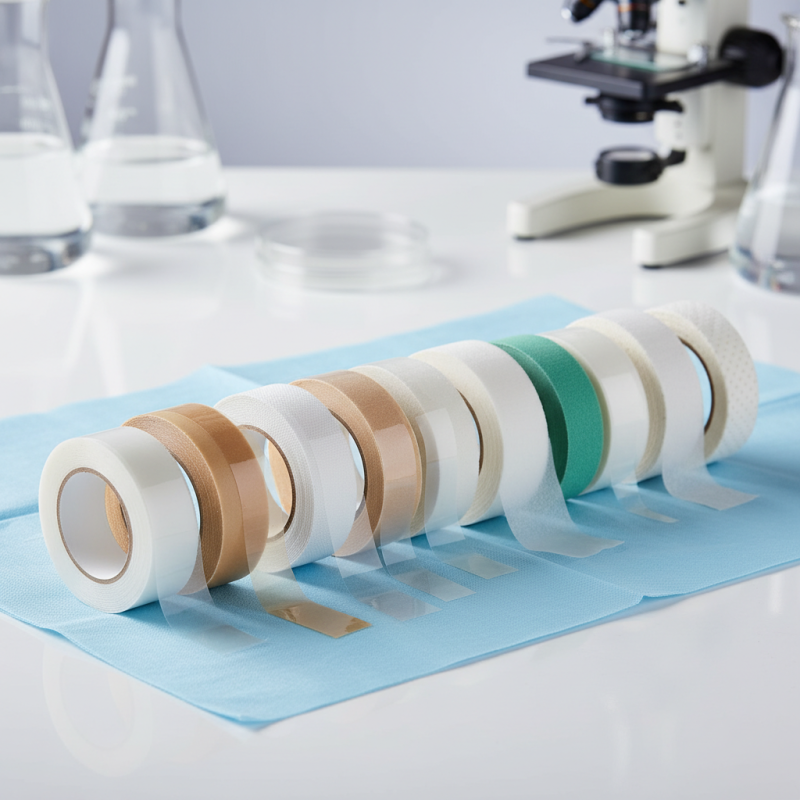
Medical adhesive tapes play a crucial role in healthcare. They are essential for wound care, device fixation, and skin protection. Quality materials used in these tapes are vital for patient safety and comfort. According to a report by the Institute of Advanced Medical Technology, improper materials can lead to skin irritations or allergic reactions in up to 30% of patients.
Choosing the right adhesive is key. For instance, acrylics are known for their strong adhesion and are often hypoallergenic. Rubber-based adhesives, while effective, might cause discomfort for some patients. A study published in the Journal of Biomedical Materials Research highlights that skin reactions can occur within hours of tape application. This emphasizes the need for careful selection of adhesive materials.
The environmental impact of these products also requires attention. Most medical adhesives are not biodegradable. A report from the Nonprofit Plastic Pollution Coalition shows that single-use medical products contribute significantly to plastic waste. It is essential to balance functionality with environmental sustainability in future innovations. As the medical field evolves, the safety and efficacy of materials will play a central role in patient care.
When selecting safe materials for medical adhesives, several key criteria must be considered. Biocompatibility is vital. The materials should not cause adverse reactions when in contact with skin. This is crucial for patient safety. Tear resistance is another important factor. The adhesive tape must withstand tension without breaking. A reliable tape maintains its integrity during daily activities.
Furthermore, the adhesive should provide strong bonding without causing irritation. A well-balanced formulation ensures adhesion while minimizing discomfort. Transparency in material sourcing enhances trust. Knowing where the materials come from can improve reliability.
It is also essential to evaluate shelf life. Adhesives can degrade over time, impacting their effectiveness. Testing and certification by relevant authorities provide an extra layer of assurance. Any tape that fails to meet safety standards can pose risks. This underscores the importance of thorough evaluation during the selection process. Each aspect of the adhesive must be scrutinized for optimal patient outcomes.
Biocompatible materials are essential in producing medical adhesive tapes. They must ensure patient safety and comfort during use. Commonly used materials include silicone, polyurethane, and copolymer adhesives. These substances are well-known for their skin compatibility and low allergic reactions. Silicone, for instance, is often praised for its gentle adhesion. It minimizes skin irritation, making it a preferred choice for sensitive skin.
Another important material is hydrocolloid. It helps in managing wounds while allowing moisture to escape without damaging the skin. This moisture-control feature is crucial for optimal healing. Polyurethane is also significant due to its breathability and flexibility. Tapes made with polyurethane conform well to body contours, enhancing wearability.
While these materials are generally safe, challenges exist. Not every patient responds the same way. Some might experience localized reactions even with biocompatible options. Continuous research and testing are vital for improving these products. Understanding individual reactions can refine material selections in the future, leading to better outcomes for patients.
When it comes to medical adhesive tapes, the choice of materials is crucial. Each material used has its own unique benefits and limitations. For example, silicone-based adhesives are known for their gentleness on sensitive skin. They reduce skin irritation and are often used in wound care applications. However, they may not adhere well in high-moisture environments, compromising their effectiveness.
Polyethylene, another common material, offers strong adhesion. It is durable and can withstand various conditions. Yet, it sometimes causes skin reactions, particularly on sensitive skin. A study by the American Journal of Dermatology reported that nearly 12% of patients experienced allergic reactions from polyethylene tapes. This highlights the importance of patient selection when choosing tape materials.
Another option is hypoallergenic materials, which cater to users with allergies. These adhesives minimize reactions, ensuring safety. However, they may not have the same level of adhesion as traditional materials. A publication from the Journal of Wound Care indicates that while hypoallergenic tapes are growing in popularity, their effectiveness varies widely. As a medical professional, it's essential to balance safety and performance in selecting the right tape for each situation.
When selecting medical adhesive tape, materials must meet stringent regulatory standards. These standards ensure safety for patients. Materials are often evaluated based on biocompatibility, sterility, and any potential allergic reactions. Good manufacturers follow guidelines established by health authorities.
Tips: Always check for certifications. Look for materials labeled as latex-free if allergies are a concern.
Regulatory bodies, such as the FDA, set forth requirements for testing materials in medical applications. The main goal is safety for both patients and healthcare providers. Adhesive properties should be effective but not cause skin irritation. It's a delicate balance.
Tips: Test samples on skin in a controlled environment. Document any adverse reactions carefully.
Ultimately, while standards exist, not all materials are created equal. Even with regulations, some users may experience varying reactions. Continuous monitoring is essential for safety and efficacy in medical environments.
| Material | Properties | Regulatory Standards | Common Uses |
|---|---|---|---|
| Polyethylene (PE) | Flexible, moisture-resistant | ISO 10993 | Wound dressings |
| Polyvinyl Chloride (PVC) | Durable, chemical-resistant | ASTM F886 | Surgical tapes |
| Silicone | Gentle on skin, high stability | ISO 10993 | Sensitive skin applications |
| Polyurethane | Breathable, flexible | ISO 10993 | Wound care, ostomy products |
| Paper | Tear-resistant, easy to print | ASTM D-1970 | Surgical dressings |
| Cotton | Soft, absorbent | ISO 10993 | Bandages |
| Aluminum | Lightweight, corrosion-resistant | FDA 21 CFR | Medical packaging |
| Acrylates | Good adhesion, clear | ISO 10993 | Transparent dressings |
| Polypropylene | Low density, water-resistant | ASTM F2024 | Orthopedic tapes |
| Biodegradable Polymers | Environmentally friendly | ISO 13432 | Sustainable medical products |
: Medical adhesive tapes are crucial for wound care, device fixation, and skin protection.
Up to 30% of patients may suffer from skin irritations or allergic reactions.
The type of adhesive, such as acrylics or rubber-based, affects comfort and adhesion.
Rubber-based adhesives may cause discomfort for some patients due to their properties.
Most medical adhesive tapes are not biodegradable and contribute to plastic waste.
Materials must meet strict standards for biocompatibility, sterility, and allergic reactions.
Test samples in a controlled setting and document any adverse reactions.
No, even with regulations, reactions can vary significantly among users.
Always verify certifications and look for latex-free options for allergic concerns.
Innovations should focus on balancing functionality with sustainability for medical adhesives.
Medical adhesive tapes play a crucial role in healthcare by providing secure adhesion for various medical applications. To ensure safety and efficacy, it is essential to understand what materials are safe for medical adhesive tape. When selecting these materials, key criteria such as biocompatibility, skin sensitivity, and regulatory compliance must be considered.
The article outlines the top 10 biocompatible materials commonly used in medical adhesive tapes, examining their benefits and limitations. Each material is evaluated on its ability to minimize adverse reactions while maintaining strong adhesion properties. Additionally, adherence to regulatory standards is critical to guarantee the safety of adhesive products. By focusing on safe materials, healthcare providers can better protect patients while delivering effective medical solutions.
