Gohesa Medical Gohesa Medical

How to Select the Best Medical Tape for Wound Care?

Time:2026-07-03 Author:Sophia
0%

Choosing the right medical tape for wound care is crucial for effective healing. Various types of medical tapes exist, each designed for specific applications. The best tape provides secure adhesion while being gentle on the skin.

When thinking about how to choose medical tape for wound care and fixation, consider factors like the wound type, location, and patient comfort. Some tapes offer more flexibility, while others are waterproof. Finding the ideal balance can be challenging. The wrong choice may lead to skin irritation or compromised healing.

It's essential to consult with healthcare professionals who understand different tapes. Their expertise can guide you toward the best option. Reflecting on your choices can lead to new insights. Quality and comfort matter, but so does listening to patient feedback. Focus on finding a tape that meets specific needs and enhances overall care.
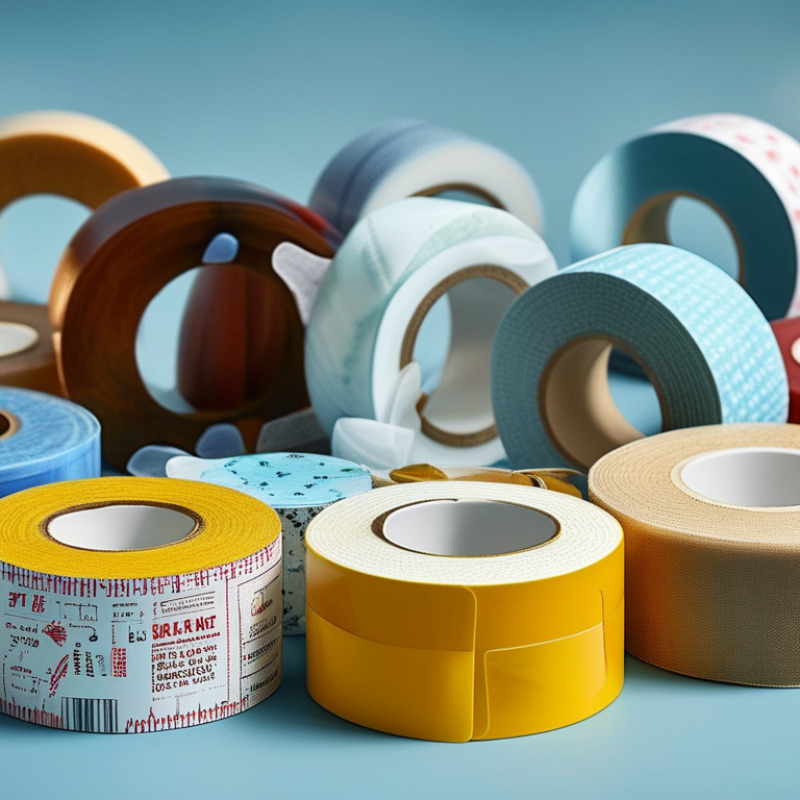
How to Select the Best Medical Tape for Wound Care?

Types of Medical Tape Used in Wound Care

When exploring types of medical tape used in wound care, several options stand out due to their unique properties. Transparent films can be ideal for covering wounds. They are breathable and allow for visual inspection without removing the dressing. According to a report from the Journal of Wound Care, transparent films can significantly reduce the risk of infection, shielding the wound from external contaminants.

Another commonly used type is hypoallergenic tape. This is essential for patients with sensitive skin. It offers good adhesion while minimizing irritation. A study by the American Journal of Surgery highlighted that nearly 20% of patients experience skin reactions with traditional adhesive tapes. Hypoallergenic options reduce this risk significantly. Still, healthcare providers must monitor and reassess the patient’s response to any tape used.

Cohesive bandages provide flexibility for joints and protect wounds effectively. They adhere to themselves rather than skin, allowing for easy application and removal. However, users may need guidance to ensure proper tension and coverage. Misapplication can lead to inadequate support or pressure on the skin, causing discomfort. Awareness of these aspects is vital for optimal wound care management.

Factors to Consider When Choosing Medical Tape

When selecting medical tape for wound care, various factors play a critical role. The type of wound significantly influences the tape choice. For instance, a moist wound may require a different tape than a dry one. Consider the wound's location. Tapes must conform well to body contours, ensuring they stick without causing discomfort. The skin's sensitivity is another vital aspect. Choosing a hypoallergenic tape protects sensitive skin and reduces irritation.

Adhesive strength should also be evaluated. A tape that adheres firmly yet allows for easy removal is ideal. Different situations may demand different levels of adhesion. For example, surgical sites may benefit from stronger adhesion, while chronic wounds may require gentler options. Assessing the tape's breathability can prevent moisture buildup. Products that allow airflow can enhance healing.

Lastly, the tape's width is crucial. A wider tape can provide better coverage but may be cumbersome. Narrower options offer flexibility but might not secure the dressing effectively. Users should balance these factors based on individual needs and preferences. Continuous learning from experiences can help refine choices over time.

How to Select the Best Medical Tape for Wound Care? - Factors to Consider When Choosing Medical Tape

Factor Description Examples
Adhesive Strength Determines how well the tape will stick to skin and wound edges. Strong adhesive for high-mobility areas, gentle adhesive for sensitive skin.
Breathability Allows air flow to the wound while protecting it from contaminants. Permeable films, non-woven materials.
Water Resistance Indicates how well the tape can withstand moisture without losing adherence. Waterproof tapes for showering or swimming.
Skin Sensitivity Important for patients with allergies or sensitive skin. Hypoallergenic options available.
Thickness Thicker tapes provide more protection but may be less conformable. Thin films for flexibility, thick gauze for support.
Flexibility Essential for areas with a lot of movement. Elastic or stretchable tapes.
Cost Consider the budget available for wound care supplies. Bulk options may reduce costs.
Application Ease How easy it is to apply the tape, especially for self-application. Tapes with easy-tear designs or pre-cut sizes.

Properties of Adhesive Materials in Medical Tapes

When selecting medical tape for wound care, understanding the properties of adhesive materials is crucial. Medical tapes are designed to adhere securely to the skin while ensuring comfort. A good adhesive material provides a reliable bond but should also be easy to remove without damaging the skin. It's essential to find a balance between adhesion and gentle removal.

The type of adhesive used can vary significantly. Acrylic adhesives are common and known for their strong hold. However, they may irritate sensitive skin. Rubber-based adhesives offer flexibility but might not stick well under moist conditions. Each type has its strengths and weaknesses, making informed choice necessary. Users often overlook this aspect, leading to discomfort or delayed healing.

Consider the environment and type of wound. Moisture can affect adhesion quality. Some tapes may perform poorly in humid conditions. It’s vital to test different options to find what works best. Feedback from users highlights the importance of such trials. Ultimately, the goal is to provide support while minimizing discomfort, ensuring a faster recovery.

Specialized Medical Tapes for Different Wound Types

Choosing the right medical tape for wound care is crucial. Different types of wounds require specialized tapes. For example, a high moisture environment, such as a surgical site, may benefit from a waterproof tape. This type can help keep the wound dry, reducing infection risk.

For abrasions and minor cuts, consider hypoallergenic tapes. These are gentle on sensitive skin and reduce irritation. They allow the skin to breathe while providing adequate protection. However, they might not be as durable in wet conditions.

When dealing with deeper wounds, a sturdy adhesive is necessary. A thicker tape can provide extra support, preventing the dressing from shifting. It's vital to assess the wound type before application. Pay attention to how the skin reacts to the tape over time. Adjust your choice if irritation occurs. This trial and error process can lead to better outcomes for wound healing.

Best Practices for Application and Removal of Medical Tape

When applying medical tape, cleanliness is crucial. Begin with clean and dry skin to maximize adhesion and minimize irritation. Use gentle soap and water to cleanse the area. Pat it dry thoroughly to ensure the tape sticks effectively. Before application, measure the tape against the wound. This prevents excess tape that could irritate surrounding skin. An appropriately sized piece offers better support for the wound.

During application, avoid stretching the tape too tightly. Tight tape can restrict blood flow and cause discomfort. Instead, apply it gently, ensuring it adheres well to the skin without pulling. Using a finger or tool to press down on the tape can help secure it without pulling on the skin.

For removal, take your time. Slow and steady helps reduce pain and skin damage. Pull the tape back upon itself rather than upwards. This technique minimizes the risk of tearing the skin and allows easier removal. If you notice redness or irritation during tape use, reassess the type of tape. Consider a hypoallergenic option if irritation occurs often.

Comparison of Medical Tape Types for Wound Care

FAQS

: What factors should I consider when choosing medical tape for wound care?

: Consider the wound type, location, skin sensitivity, and adhesive strength. Each factor influences tape effectiveness.

How does the type of wound affect the choice of medical tape?

Moist wounds need different tapes than dry ones. Each type has unique requirements based on conditions.

Why is the adhesive strength important in medical tape?

Strong adhesion is needed for surgical sites, while chronic wounds need gentler options to prevent irritation.

What should I know about the skin's sensitivity when selecting tape?

Choose hypoallergenic options for sensitive skin. They reduce irritation and enhance comfort during use.

How does the tape's width impact its effectiveness?

Wider tape offers better coverage but may be cumbersome. Narrower options provide more flexibility but might not secure well.

Why is breathability a concern when using medical tape?

Breathable tapes prevent moisture buildup, promoting healing. Products that allow airflow help maintain skin health.

What challenges might arise when using medical tapes?

Different tapes may cause discomfort or irritation. Users often learn through trial and error, which can be frustrating.

How can I ensure the best results with medical tape?

Test various options to find the right fit for your needs. Feedback helps refine your choices over time.

Are there specialized tapes for specific wound types?

Yes, waterproof tapes work well for surgical sites, while hypoallergenic tapes are ideal for abrasions and minor cuts.

What if I experience irritation from the tape used?

Observe skin reactions and adjust your tape choice accordingly. Continuous learning is key to better wound care.

Conclusion

Choosing the right medical tape for wound care and fixation is essential for effective healing and patient comfort. Various types of medical tapes are available, each suited for specific wound types and conditions. Factors to consider when selecting medical tape include the adhesive properties, the type of wound, and the sensitivity of the patient's skin. For instance, hypoallergenic tapes are ideal for sensitive skin, while more robust options may be necessary for secure fixation on larger bandages.

Understanding the properties of adhesive materials in medical tapes is crucial, as these directly affect the tape's performance and wear time. Additionally, specialized medical tapes are designed for different wound types, offering targeted solutions for unique healing needs. Adhering to best practices for application and removal minimizes skin irritation and promotes better healing outcomes. Thus, knowing how to choose medical tape for wound care and fixation is vital in delivering optimal patient care.

Sophia

Sophia

Sophia is a dedicated marketing professional with an exceptional depth of knowledge about her company's products and services. With a keen understanding of market trends and customer needs, she crafts insightful blog posts that not only inform but also engage readers, enriching the company’s online......