Gohesa Medical Gohesa Medical

Top 10 Certifications Needed for Medical Grade Tape Products?

Time:2026-06-10 Author:Oliver
0%

In the medical industry, ensuring the safety and effectiveness of products is paramount. Medical-grade tape is no exception. These adhesive products often come into contact with skin and wounds, making their safety critical. This raises the important question, "What certifications are required for medical-grade tape products?" Obtaining the right certifications ensures compliance with stringent industry standards.

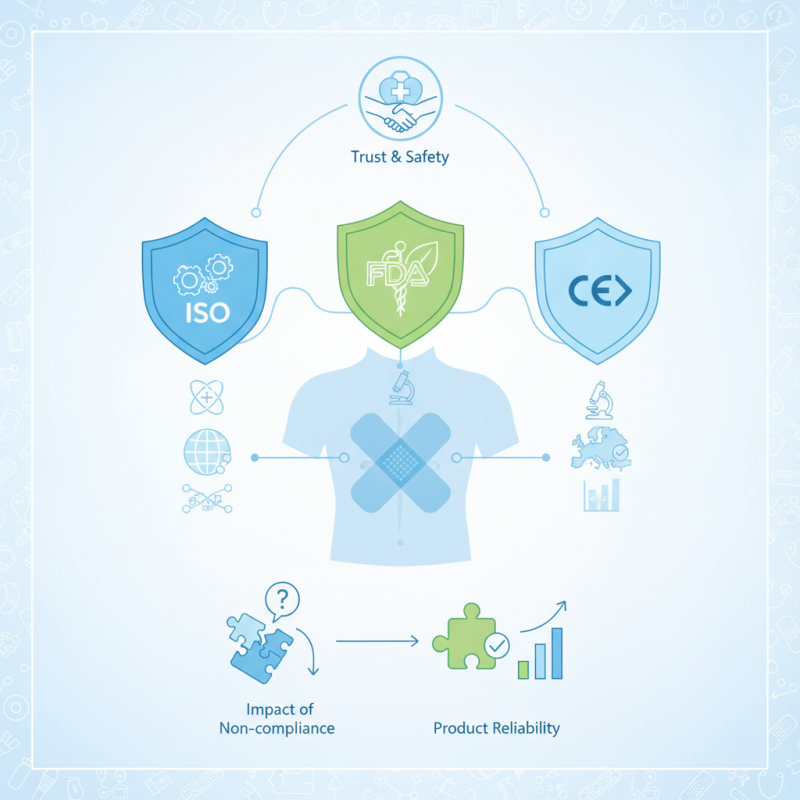
The certifications required can vary by region and product usage. Common certifications include ISO, FDA, and CE marking. Each certification serves a unique purpose and confirms different aspects of product safety and efficacy. Understanding these requirements can be challenging. Many manufacturers might overlook crucial certifications during the development process. This can lead to significant issues in product quality.

Proper certification not only validates the product but also builds trust among consumers and healthcare professionals. The impact of non-compliance can be dire. Companies must remain vigilant and informed about regulatory changes. Continuous education and audits can support this effort. Ultimately, the importance of certifications in medical-grade tape cannot be understated. They form the backbone of product reliability in a field where safety is non-negotiable.
Top 10 Certifications Needed for Medical Grade Tape Products?

Overview of Medical Grade Tape Products and Their Uses

Medical grade tape products are essential in various healthcare applications. These tapes are designed for secure adhesion on skin, providing support for medical dressings and devices. They are commonly used in wound care, surgical procedures, and to hold IV lines in place. The right tape can enhance patient comfort while preventing infection.

When selecting medical tape, consider the type of procedure and the patient's skin sensitivity. Not all tapes are suitable for every patient. Some materials may cause irritation. It's important to conduct a patch test before widespread use. Some tapes work well in humid conditions, while others may not hold effectively.

Tip: Ensure that the chosen tape can withstand movement and moisture. Additionally, look for tapes that provide easy removal, minimizing trauma to the skin. Remember, the choice of tape can directly impact healing and comfort. Keeping a diversity of tape options can also help address specific needs in patient care, leading to better outcomes.

Importance of Certifications in the Medical Product Industry

Certifications play a critical role in the medical product industry. They assure consumers and healthcare professionals of safety and quality. In a field where human lives depend on products, trust is essential. Medical-grade tape, often used for securing dressings or sensors, requires stringent quality standards. Each certification confirms the product meets necessary regulations. These regulations include biocompatibility, sterility, and efficacy.

The process of obtaining certifications can be complex. Manufacturers must demonstrate compliance with rigorous testing protocols. This includes assessments of materials, adhesives, and potential skin reactions. While achieving these certifications can be a lengthy process, it builds credibility. However, not all certifications guarantee long-term reliability. Some may have gaps in their evaluation processes. This can lead to questions about the true safety of some products in the market.

Continuous monitoring and re-evaluation are vital. As technology evolves, so do potential risks. Keeping up with updates in certification standards is crucial. This ensures that medical-grade tape remains effective and safe for use. Stakeholders must stay informed about changes in regulations to maintain trust. Each certification tells a part of the story, but ongoing diligence is key.

Top 10 Certifications Needed for Medical Grade Tape Products

The chart below illustrates the top 10 certifications necessary for medical grade tape products, highlighting their importance in ensuring product safety and compliance in the medical sector.

Key Regulatory Bodies for Medical Tape Certifications

In the realm of medical grade tape products, regulatory bodies play a crucial role. Agencies like the FDA in the United States oversee the safety and effectiveness of these tapes. They assess the materials used and the manufacturing processes to ensure they meet health standards. Evaluation is more than paperwork; it involves thorough testing and inspections.

Then there’s the ISO, the International Organization for Standardization. ISO certifications assure that medical tapes comply with international quality requirements. Achieving ISO certification can be a daunting task. Companies often face challenges in adjusting their processes to meet these standards.

Additionally, communicating with regulatory agencies can be complex. Understanding their specific requirements may take time and commitment. This complexity underscores the importance of expert guidance throughout the certification process. A misstep can lead to costly delays and non-compliance. Developing a robust quality management system becomes essential.

Essential Certifications for Medical Grade Tape: A Detailed Analysis

When selecting medical grade tape products, understanding essential certifications is critical. These certifications ensure safety and efficacy in medical applications. One key certification is ISO 13485, which focuses on quality management systems. It ensures consistent production and comprehensive risk management. Another important certification is ASTM D903, which evaluates the adhesion properties of tapes.

Biocompatibility is also vital. Certification like ISO 10993 ensures that materials used do not cause adverse reactions. This is crucial for patient safety. Testing for durability and performance under medical conditions is equally important. Not all tape products meet these stringent requirements. Some products may look reliable, yet fall short in performance.

Manufacturers often face challenges during certification processes. Engaging with accredited laboratories can be complex. There can be discrepancies in test results, highlighting the need for ongoing improvements. Ensuring compliance can take time and resources. Nevertheless, these certifications form the backbone of trust for healthcare professionals. The right certifications lead to better patient outcomes.

Future Trends in Medical Grade Tape Certifications and Compliance

The future of medical-grade tape certifications is evolving to meet increased regulatory demands. As healthcare products become more complex, the need for stringent certifications is paramount. Companies must adapt to new standards to ensure safety and efficacy. This process involves not only continuous education but also investment in technology for testing.

The landscape is shifting towards more sustainable practices. Certifications that emphasize eco-friendliness are gaining traction. Medical-grade tapes must now comply with both functional and environmental requirements. This dual focus raises questions about resources and production methods. Stakeholders need to stay informed on these trends. Adapting to change is essential, yet not without its challenges.

Improving compliance oversight can present hurdles. Regulatory frameworks differ across regions, complicating the certification process. Many manufacturers struggle with alignment on these varying standards. Transparency in the certification process remains a concern. Open communication with regulatory bodies can enhance trust and reliability among consumers. How companies tackle these issues shapes their future in the medical tape market.

FAQS

: What role do regulatory bodies play in medical tape certification?

: Regulatory bodies ensure safety and effectiveness of medical tapes. They assess materials and manufacturing processes carefully.

How does the FDA contribute to medical tape certifications?

The FDA reviews compliance with health standards. Their evaluation includes thorough testing and inspections of the products.

What challenges do companies face in obtaining ISO certification?

Companies often struggle to adjust their processes to meet ISO standards. Achieving certification can be time-consuming and complex.

Why is expert guidance important during certification?

Communicating with regulatory agencies is complex. Guidance helps prevent costly delays and ensures compliance throughout the process.

How are future certifications for medical tapes evolving?

There is a growing demand for stringent certifications. Companies must adapt to new standards to ensure safety and efficacy.

What is the trend regarding sustainability in medical tape certifications?

Certifications focusing on eco-friendliness are becoming more important. Medical tapes now need to meet both functional and environmental requirements.

Why is transparency vital in the certification process?

Transparency builds trust between companies and consumers. Open communication is essential for reliability and understanding.

What issues arise from differing regulatory frameworks across regions?

Different standards complicate the certification process. Manufacturers may find alignment challenging and face compliance hurdles.

How can companies improve compliance oversight?

Staying informed about trends and maintaining communication with regulatory bodies enhances compliance. This helps prevent missteps.

What can companies do to stay competitive in the medical tape market?

They must adapt to regulatory changes and invest in technology. This will help them meet evolving certification demands.

Conclusion

Medical-grade tape products play a crucial role in various healthcare applications, requiring stringent compliance with industry standards to ensure patient safety and product efficacy. Understanding what certifications are required for medical-grade tape products is essential for manufacturers aiming to meet regulatory expectations. The article outlines the significance of certifications in the medical product industry, highlights key regulatory bodies involved in the certification process, and provides a detailed analysis of essential certifications necessary for medical-grade tapes.

As the industry evolves, future trends indicate a shift towards increased compliance requirements and enhanced quality standards. Staying informed about these certifications not only fosters trust among users but also positions manufacturers competitively in a changing market landscape. Ultimately, adhering to the necessary certifications ensures that medical-grade tape products perform safely and effectively in critical healthcare settings.

Oliver

Oliver

Oliver is a seasoned marketing professional with a wealth of expertise in driving brand awareness and engagement. With a deep understanding of our company's product offerings, he consistently delivers high-quality content that enriches our professional blog. His insights not only shed light on......