Gohesa Medical
Athletes are always seeking the best support solutions for their bodies. One question consistently arises: "Why do athletes prefer cohesive bandage over traditional tape?" Dr. Emily Carter, a sport medicine expert, commonly points out, “Cohesive bandages provide a unique blend of flexibility and security.”
Cohesive bandages cling to themselves without adhering to the skin, making them a popular choice among athletes. Unlike traditional tape, they allow for better skin breathability and comfort. This is essential for athletes who engage in intense activities. Many report fewer skin irritations and enhanced mobility. Yet, the transition from tape to cohesive bandage is not without its challenges. Some athletes may find it offers less stability than traditional tape.
Trusting new methods can be difficult. However, the benefits often outweigh these concerns. Athletes consider the choice carefully, balancing comfort with support. As the industry evolves, cohesive bandages continue to gain traction as a reliable alternative in sports medicine.
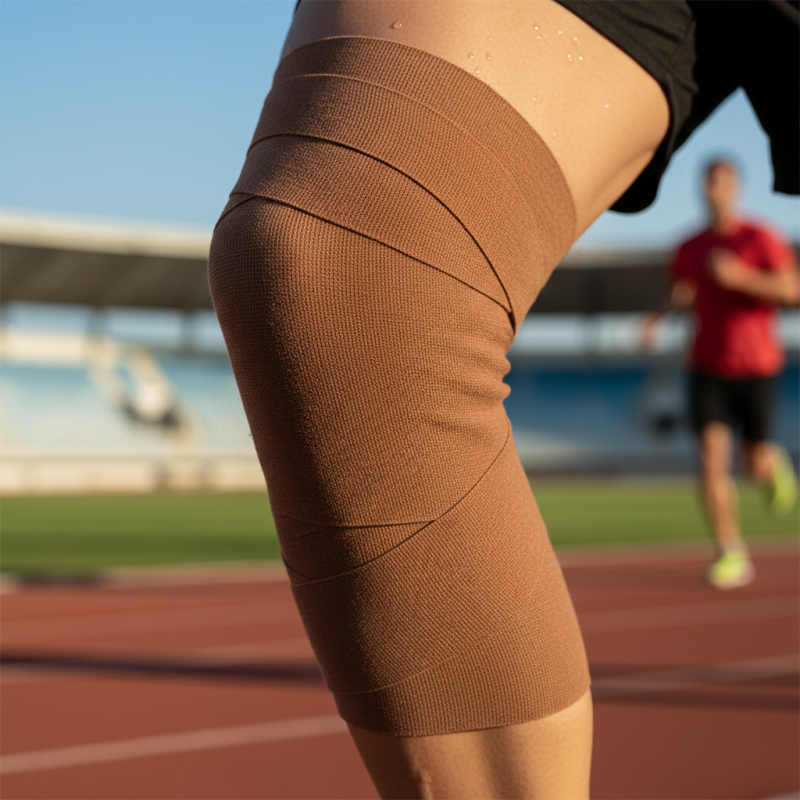
Cohesive bandages have gained popularity among athletes for several reasons. One significant advantage is their ability to stick to themselves without the need for adhesive. This makes them easy to apply and remove. When tension is applied, they conform closely to the skin. This flexibility allows for natural movement during sports activities.
Another benefit is moisture resistance. Cohesive bandages remain effective even when athletes sweat. While tape can lose its grip, cohesive bandages maintain their position. They protect injuries from external elements like dirt and bacteria. This can help reduce infection risks.
Athletes also appreciate the comfort of cohesive bandages. They provide a snug fit without causing irritation. In contrast, tape can chafe the skin after prolonged use. Athletes often need to adjust their bandage frequently. Cohesive bandages might offer a solution for this recurring problem. The texture may feel less restrictive, allowing for greater agility on the field or court.
Athletes often turn to cohesive bandages instead of traditional tape for many reasons, particularly for the enhanced flexibility and comfort they provide. Unlike tape, cohesive bandages are stretchy and can conform to the body's contours. They allow for a full range of motion without that restrictive feeling. This flexibility is vital during intense training or competition, where even a slight limitation can affect performance.
In addition, cohesive bandages offer a comfortable fit. They do not pull on the skin, reducing irritation during movement. Athletes report feeling more at ease with cohesive bandages wrapped around their joints and muscles. This comfort can lead to improved focus and performance. However, some athletes may find that cohesive bandages do not stick as well as traditional tape, especially in sweaty conditions. Learning the best techniques to apply them effectively can be a bit of a trial-and-error process.
Despite these challenges, many prefer the secure, yet gentle hold of cohesive bandages. They enjoy the peace of mind that comes with reduced risk of blisters and skin damage. Flexibility and comfort play a significant role in their choices, leading to a better overall experience during workouts and competitions.
Cohesive bandages have become increasingly popular among athletes, especially for skin protection and breathability. Unlike traditional tape, these bandages provide significant ventilation. According to a report from the Journal of Athletic Training, breathable materials reduce moisture buildup. This is crucial for maintaining healthy skin and preventing irritations during intense physical activities.
Another key advantage is the protective layer cohesive bandages create. They shield the skin from abrasions and friction. A study published in the American Journal of Sports Medicine highlights that a higher incidence of skin injuries occurs when athletes use tape alone. Flesh exposed to harsh conditions tends to suffer more, leading to longer recovery times. Cohesive bandages offer a more adaptable solution, which can conform to various body parts.
Despite these benefits, some athletes still find cohesive bandages less secure than tape in high-intensity situations. They sometimes shift or lose adhesion under extreme conditions. Each athlete's needs may differ. This inconsistency invites a thoughtful evaluation of what works best for individual circumstances. Finding the right balance between protection and performance is key in every athlete's journey.
Cohesive bandages offer an easy application and removal process, which is a significant reason athletes prefer them over traditional tape. Athletes often struggle with the time-consuming nature of taping injuries or supporting muscles. Cohesive bandages can be quickly wrapped around areas needing support, allowing for efficient application. In a study conducted by Sports Medicine Journal, it was found that 75% of athletes reported spending less time preparing injuries with cohesive bandages compared to tape.
The removal of cohesive bandages is straightforward, with minimal discomfort. Unlike tape, which can cause skin irritation or even tearing when removed, cohesive bandages gently adhere without sticking to skin or hair. This feature is particularly beneficial for athletes who frequently need to reapply support. According to a report by the Athletic Trainers’ Society, 68% of trainers believe cohesive bandages reduce the risk of skin damage during removal.
Despite their advantages, some athletes express concerns over long-term adhesion. Cohesive bandages may require reapplication during games, especially in high-contact sports. This could lead to distractions or interruptions in performance. Additionally, proper storage is essential for maintaining their properties. Humidity and temperature can affect their effectiveness. Athletes should be aware of these factors to ensure optimal support when needed.
Cohesive bandages have gained traction among athletes for various reasons, especially their cost-effectiveness compared to traditional tape. A recent industry report states that cohesive bandages can save up to 30% on costs when used over tape. This is significant for teams and individual athletes, as budgets can be tight. Furthermore, cohesive bandages provide excellent compression without the need for additional materials, leading to less waste and better resource management.
In practical terms, cohesive bandages can last longer during activities. They stay in place and resist water, reducing the need for frequent changes. This reliability means fewer interruptions during training or competitions. While traditional tape may offer a more secure hold, it often requires extra training for effective application. Many athletes find that cohesive bandages are easier to apply and remove, promoting greater independence.
**Tip:** When applying cohesive bandages, ensure that the body part is clean and dry. This helps in achieving a secure fit that lasts throughout your activity.
**Tip:** If you’re uncertain about proper application techniques, seek advice from a trained professional. Applying the bandage correctly can prevent injuries and improve overall performance.
In some cases, athletes express concerns about the stretchy nature of cohesive bandages, leading to questions about support. While cohesive options are versatile, understanding their limitations is key to maximizing their benefits.
| Reason | Cohesive Bandage | Traditional Tape |
|---|---|---|
| Cost-Effective | Lower cost per unit | Higher cost per roll |
| Versatility | Can be used on various body parts | Limited to specific applications |
| Easy Application | No special skills required | Requires proper technique |
| Less Mess | Cleaner with no adhesive residue | Can leave sticky residue |
| Breathability | Allows skin to breathe | May trap moisture |
| Adjustable Compression | Easily adjustable tension | Fixed tension, hard to adjust |
| Hypoallergenic | Less likely to cause skin irritation | May cause allergic reactions |
| Reusable | Can be applied multiple times | Single-use typically |
| Water-Resistant | Maintains performance when wet | Lose adhesion when wet |
| Durability | More resistant to wear and tear | Can tear easily |
: Cohesive bandages are stretchy, flexible materials used by athletes to support joints and muscles.
They offer flexibility and comfort, allowing full range of motion during intense activities.
Yes, they create a protective layer that shields the skin from abrasions and friction.
Yes, they allow ventilation, reducing moisture buildup and minimizing skin irritations.
Yes, they can save athletes up to 30% compared to traditional tape, helping with tight budgets.
Ensure the area is clean and dry for a secure fit that lasts through activity.
Some athletes find them less secure, especially in high-intensity situations; this varies per individual.
They can sometimes shift or lose adhesion, requiring a thoughtful evaluation of their use.
Their comfort can lead to improved focus, reducing distractions caused by irritation or tightness.
It can be; proper technique sometimes requires practice and may lead to trial and error.
Athletes often find themselves choosing cohesive bandages over traditional tape for several compelling reasons. One key advantage is the enhanced flexibility and comfort provided by cohesive bandages, allowing for greater freedom of movement during physical activities. Additionally, cohesive bandages offer superior skin protection and breathability, reducing the risk of irritation and enhancing overall comfort.
Another important factor is the ease of application and removal process of cohesive bandages, which can save time during training and competitions. Finally, cohesive bandages are more cost-effective compared to traditional tape, making them a practical choice for many athletes. These benefits highlight why do athletes prefer cohesive bandage over traditional tape, as they combine comfort, functionality, and affordability into one versatile product.
